Why and How Homestead Living Is Our Future
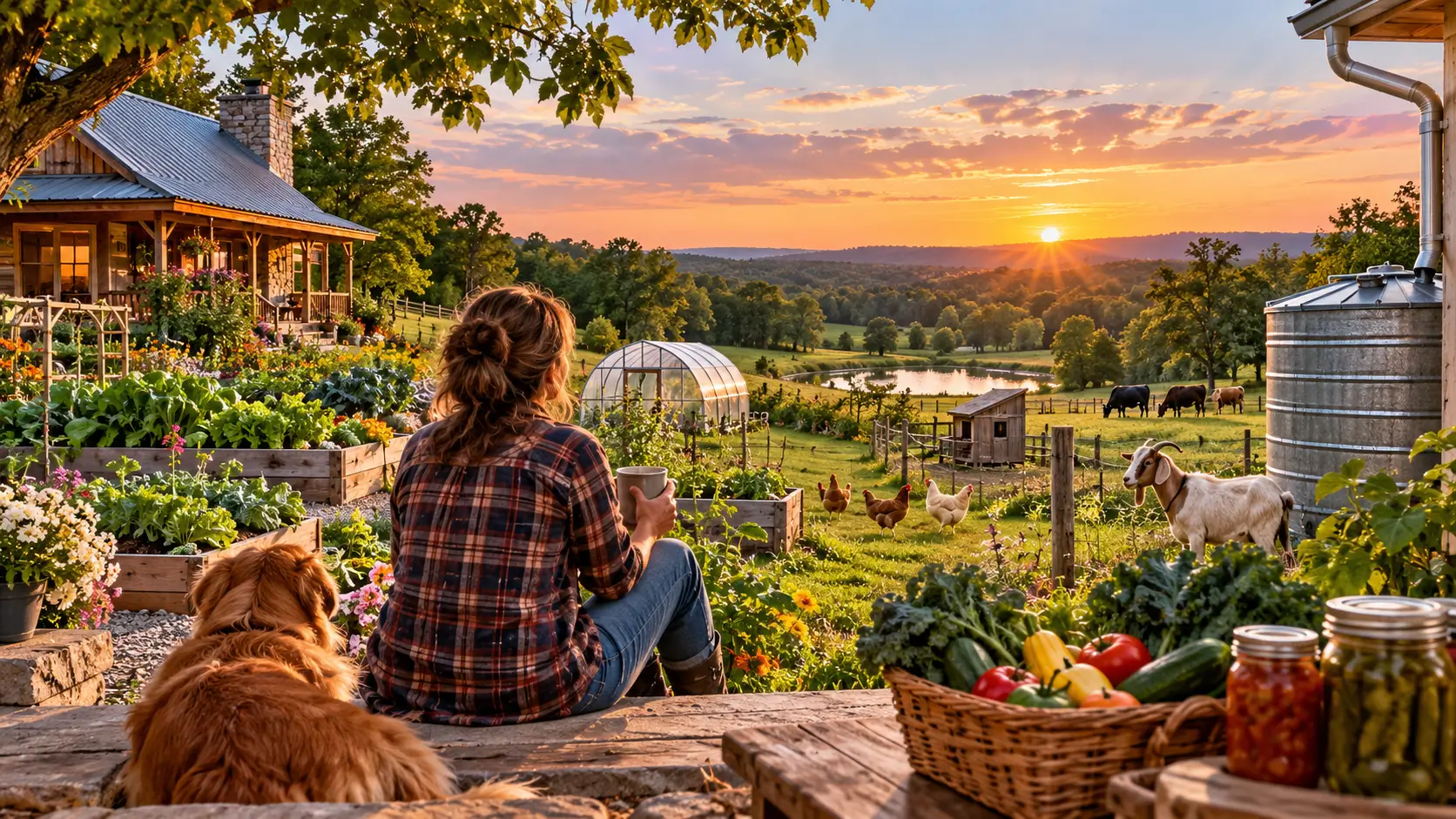
Many people used to associate homesteading with farms, large gardens, livestock, and living far from the city. Today, that picture is changing.
You don't need 20 acres, a barn, or a farmhouse to embrace homestead living. You can start with a backyard garden, a few containers on a patio, learning to preserve food, baking your own bread, fermenting vegetables, or simply keeping a pantry stocked with foods your family actually uses.
I believe homesteading is becoming an important part of our future—not because everyone needs to leave modern life behind, but because learning to provide more for ourselves gives us choices.
Why Is Homesteading Becoming More Important?
Our modern food system makes it incredibly easy to walk into a store and buy almost anything we need. That's convenient, but it can also leave us dependent on systems we don't control.
Food prices, supply disruptions, severe weather, power outages, recalls, and unexpected financial difficulties can all affect a household's ability to get what it needs.
According to the USDA, 13.7% of U.S. households—about 18.3 million households—experienced food insecurity at some point in 2024.
Homesteading can't eliminate every problem, but it can give a family more tools and more options.
Homesteading Doesn't Mean Going Off the Grid
One of the biggest misconceptions about homesteading is that you have to abandon modern conveniences.
You don't.
You can still have a refrigerator, a washing machine, internet, a car, and a job while practicing homesteading.
Think of it as becoming more capable and less dependent, rather than completely independent.
For example, you might:
Grow some of your own vegetables.
Learn how to save seeds.
Make bread instead of buying it.
Cook meals from basic ingredients.
Preserve seasonal produce.
Learn fermentation.
Keep a well-stocked pantry.
Store water and emergency food.
Learn basic sewing and mending.
Raise chickens if your property and local rules allow.
Learn basic food preservation and storage.
Reduce food waste by using leftovers creatively.
Learn skills that can save money over time.
Every skill adds another layer of self-reliance.
Start With Food
For most people, food is one of the easiest places to begin.
You don't need a huge garden. Start with something you will actually eat.
Tomatoes, peppers, lettuce, herbs, green beans, zucchini, and potatoes can all be possibilities depending on your space and growing conditions.
Even an apartment balcony can provide room for herbs, lettuce, tomatoes, or other container crops.
The goal isn't necessarily to grow 100% of your food.
The goal is to grow something.
A few plants can teach you valuable lessons about soil, weather, seeds, harvesting, preserving, and planning for the next season.
Learn to Preserve What You Grow
Growing food is only part of homesteading.
Learning how to preserve it is where things really become useful.
Depending on the food and the method, preservation can include:
Freezing
Dehydrating
Fermenting
Water-bath canning
Pressure canning
Root-cellaring
Proper dry storage
Food safety matters, especially when preserving food at home. Follow tested preservation methods and current food-safety recommendations rather than relying on guesswork.
Having preserved food also means your garden doesn't have to stop feeding your family when the growing season ends.
Build a Pantry Before You Think You Need One
A good homestead pantry isn't about buying everything in sight.
It's about gradually building a supply of foods your family already eats.
Rice, beans, gluten-free grains, flour, pasta, canned vegetables, canned meats, peanut butter, spices, oils, dried foods, and other shelf-stable ingredients can become the foundation of a practical pantry.
The USDA recommends keeping nonperishable food and at least a three-day supply of commercially bottled water available for emergencies.
But there's no reason to stop at three days if you have the space and budget to build a larger rotating supply.
The important word is rotating. FIFO (First In, First Out)
Use what you store and replace it.
That way, your emergency pantry is made up of food you actually know how to prepare and enjoy.
Learn to Cook From Scratch
One of the most valuable homesteading skills doesn't require land at all.
It's cooking.
When you know how to turn basic ingredients into meals, you're less dependent on prepared foods.
You can learn to make:
Bread
Tortillas
Pasta
Soups
Sauces
Yogurt
Fermented vegetables
Broths
Baked goods
Homemade mixes
Meals from leftovers
Cooking from scratch doesn't have to mean spending hours in the kitchen every day.
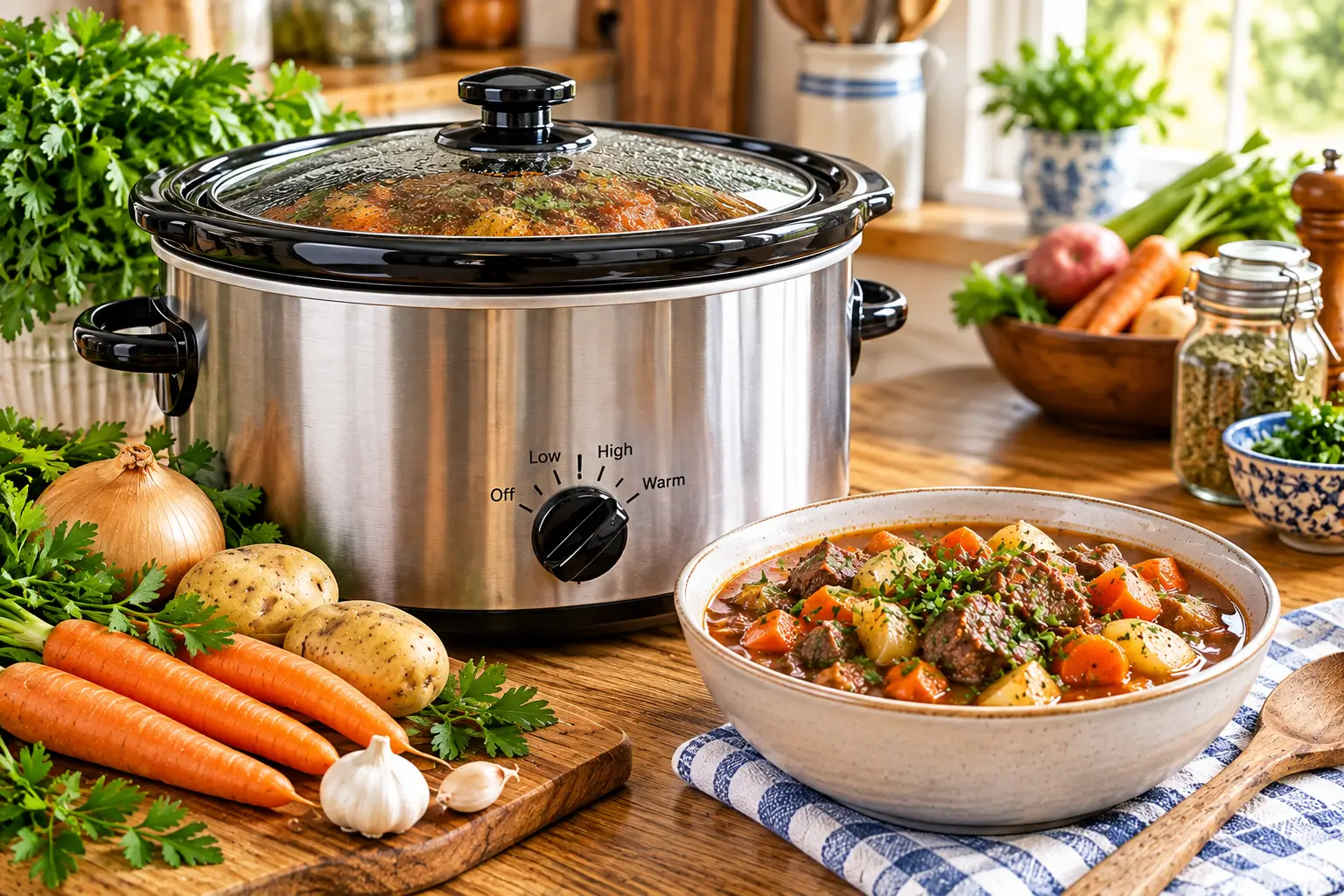
Batch cooking, slow cookers, freezer meals, and freezer-prep ingredients can make homemade food much more practical.
Don't Forget the Non-Food Skills
Homesteading is about much more than gardening.
Skills that were once common in many households are worth bringing back.
Sewing and mending can extend the life of clothing and household items.
Basic repairs can save money.
Learning how to sharpen tools, maintain equipment, grow herbs, preserve food, or make simple household products can make a difference.
And perhaps most importantly, these skills can be passed from one generation to another.
Homesteading Can Save Money, But It Isn't Always Cheaper
It's important to be realistic.
Homesteading isn't automatically less expensive.
Gardening can require soil, seeds, tools, water, fencing, and time. Canning requires equipment. Chickens require feed and proper care.
The financial benefit often comes from learning which activities actually make sense for your household.
Growing an expensive crop you don't eat isn't saving money.
Growing something you regularly buy may be much more useful.
Making a food from inexpensive ingredients may save money.
Making something that costs more to produce than buying it doesn't necessarily make sense financially—but it may still provide satisfaction or teach a valuable skill.
Homesteading is about finding that balance.
Prepare for the Unexpected
Another reason homestead living matters is preparedness.
Power outages, storms, supply interruptions, job changes, and other unexpected events can happen without much warning.
USDA food-safety guidance specifically recommends planning ahead for emergencies and keeping foods available that don't require refrigeration.
Having a pantry, alternative cooking methods, stored water, flashlights, basic tools, and food-preservation knowledge can make an unexpected situation easier to handle.
Preparedness isn't about being afraid.
It's about being prepared.
The Future May Be Smaller and More Practical
I don't think the future of homesteading necessarily looks like everyone moving to a farm.
It may look more like millions of ordinary people becoming a little more self-sufficient.
A suburban family might grow vegetables.
Someone in an apartment might grow herbs.
A retired couple might preserve their garden harvest.
A young family might learn to bake bread and build a pantry.
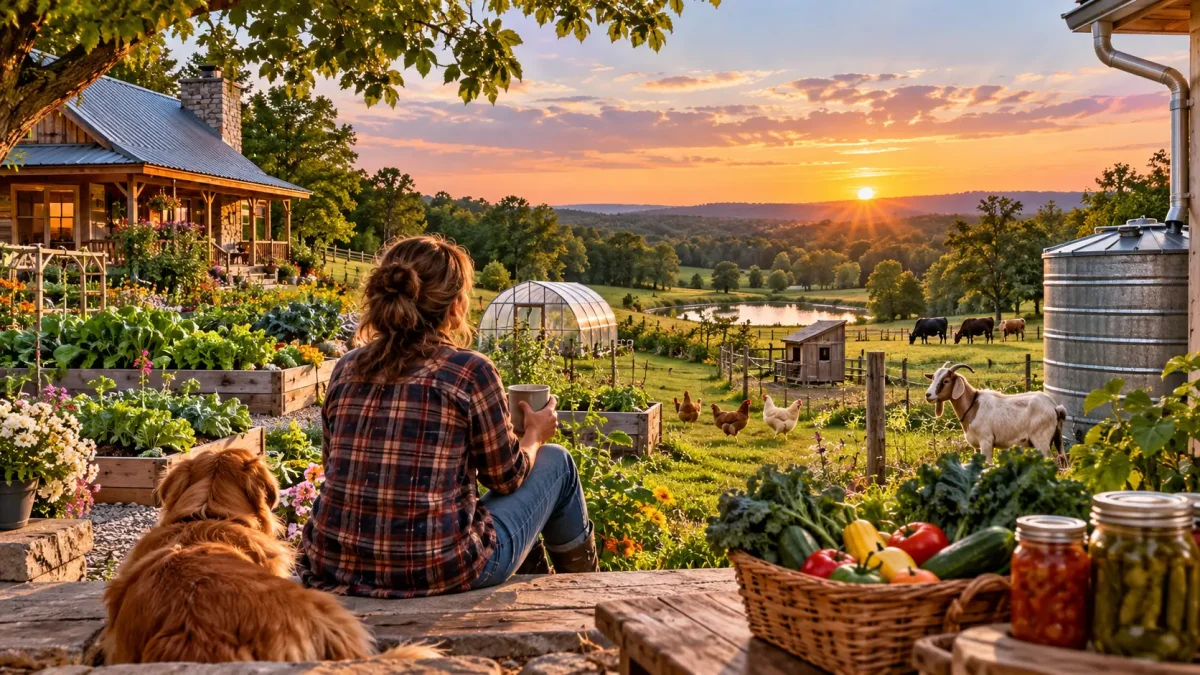
Someone with several acres might raise chickens, grow a large garden, and preserve hundreds of jars of food.
There isn't one right way to do it.
We Can Start Small
You don't have to change your entire life tomorrow.
Start with one skill.
Grow something.
Bake something.
Learn to ferment.
Make a meal from basic ingredients.
Put together a small pantry.
Learn how to preserve food safely.
Sew a button back onto a shirt instead of throwing it away.
Then learn another skill.
Over time, those small skills begin to connect.
A garden produces vegetables.
Those vegetables can become meals.
Extra vegetables can be preserved.
Preserved food becomes part of the pantry.
Kitchen scraps can sometimes become compost.
Compost helps the garden.
And suddenly you're creating a small system that gives you more control over what you eat and how you live.
Homesteading Is About Independence, Not Isolation
The most important thing about homestead living may be that it doesn't require us to do everything alone.
Neighbors can share garden produce.
Friends can exchange skills.
Families can teach children how to cook and preserve food.
Communities can trade, barter, and help each other when times are difficult.
True self-reliance doesn't have to mean isolation.
It can actually create stronger communities.
Our Future Starts With What We Learn Today
We can't control everything that happens in the world.
But we can control some of what happens in our own homes.
We can learn.
We can grow.
We can cook.
We can preserve.
We can prepare.
We can teach our children.
And we can become a little less dependent on having everything available at the store whenever we need it.
That's why I believe homestead living has a place in our future.
It isn't about turning back the clock.
It's about taking useful skills from the past and combining them with the conveniences of modern life.
You don't need a farm to start homesteading. You just need to start learning.
Start Where You Are
Maybe your first step is planting a tomato plant.
Maybe it's making your own bread.
Maybe it's starting a pantry.
Maybe it's learning how to ferment vegetables.
Whatever you choose, start small and keep building.
Because self-sufficiency isn't something you achieve overnight.
It's a collection of skills you build one step at a time.