How to Prepare Your Kitchen for a Gluten-Free Lifestyle: Avoiding Cross-Contamination
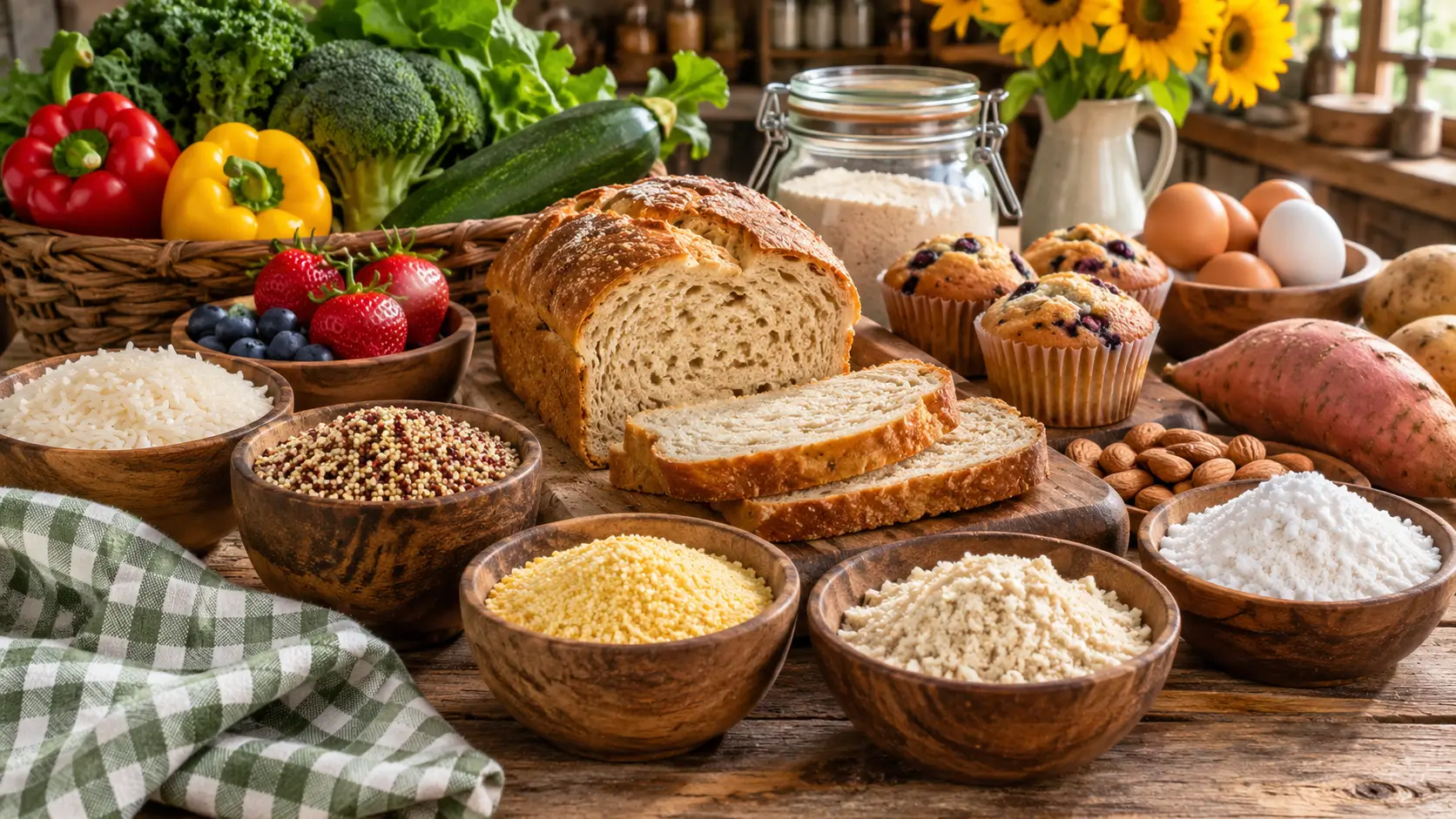
Switching to a gluten-free diet involves more than simply replacing regular bread, pasta, and flour with gluten-free alternatives. If you have celiac disease, gluten sensitivity, or need to eliminate gluten for other health reasons, one of the most important steps is preparing your kitchen to prevent cross-contamination.
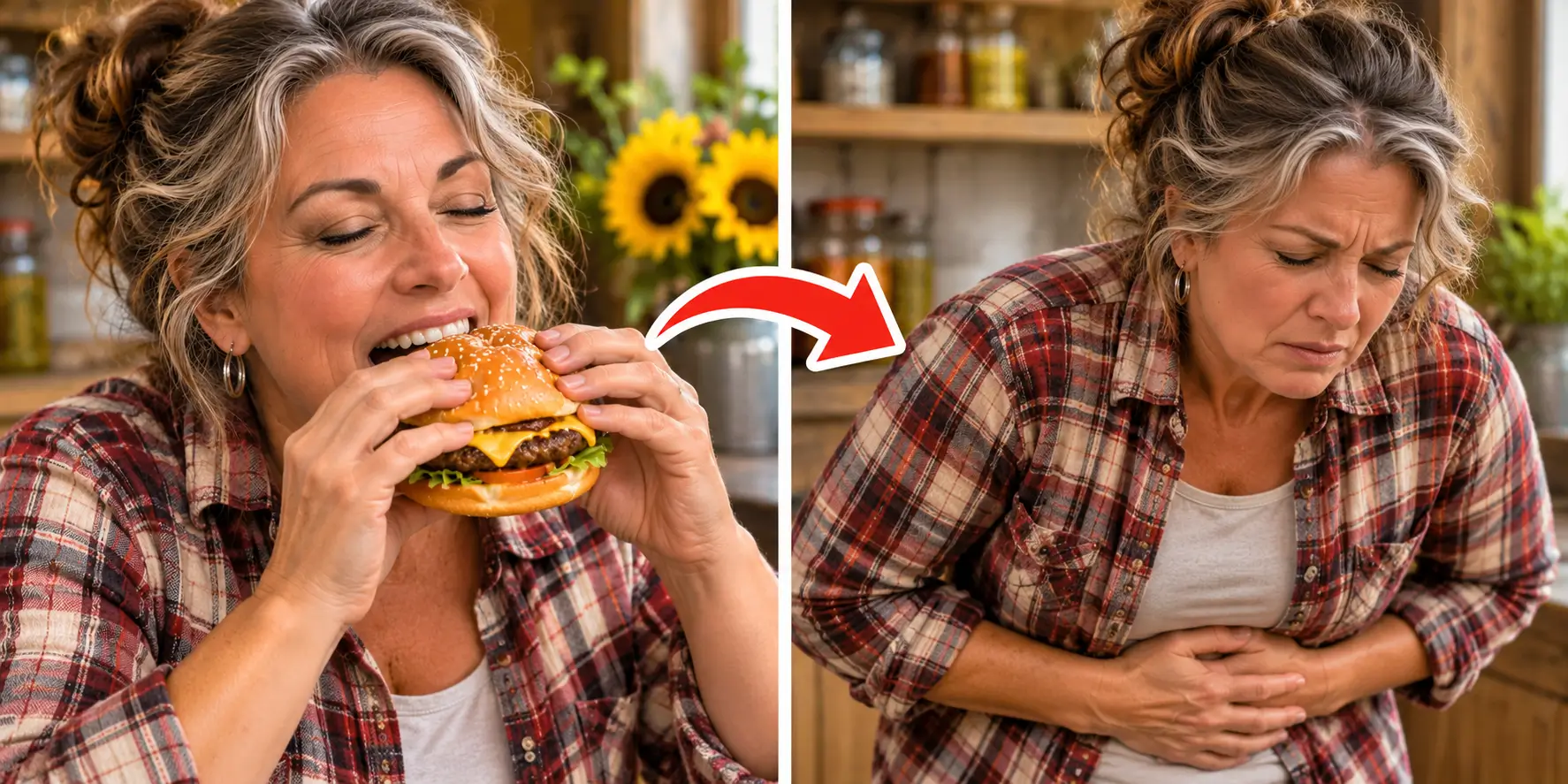
Even tiny amounts of gluten can be a problem for someone with celiac disease. Crumbs on a countertop, shared cooking utensils, or a toaster used for regular bread can contaminate otherwise gluten-free food.
The good news is that you don’t necessarily have to replace everything in your kitchen. With a little organization, careful cleaning, and a few dedicated kitchen tools, you can create a safer gluten-free cooking environment.
1. Start by Cleaning Out Your Pantry
Before bringing in new gluten-free ingredients, take time to inspect your pantry, cabinets, and refrigerator.
Look for foods containing:
- Wheat
- Barley
- Rye
- Malt
- Regular flour
- Breadcrumbs
- Traditional pasta
- Crackers and baked goods made with wheat
Read ingredient labels carefully. Gluten can hide in unexpected products, including sauces, seasonings, soups, marinades, and packaged foods.
If other family members will continue eating gluten, designate separate shelves or storage bins for gluten-containing foods. Keep gluten-free ingredients above regular flour and other products that could spill or create crumbs.
Important: Gluten-free food should always be stored in sealed containers to protect it from accidental contamination.
2. Clean Your Kitchen Thoroughly
Before preparing gluten-free meals, clean the areas where food is prepared and stored.
Pay particular attention to:
- Countertops and backsplashes
- Kitchen cabinets and drawers
- Refrigerator shelves
- Cutting boards
- Utensil drawers
- Pantry shelves
- Appliance handles
- Mixing bowls and measuring cups
Use clean dishcloths, sponges, and cleaning supplies. A surface that looks clean may still have crumbs or flour residue.
If you regularly bake with wheat flour, be especially careful. Flour dust can settle on nearby surfaces and kitchen equipment. Consider keeping wheat flour preparation separate from gluten-free cooking.
3. Replace or Dedicate Certain Kitchen Equipment
Some kitchen items are difficult to clean completely, especially when they have scratches, grooves, or porous surfaces.
Consider purchasing separate equipment specifically for gluten-free cooking.
Items worth replacing or dedicating include:
- Toaster: Get a separate toaster for gluten-free bread. Never share a regular toaster.
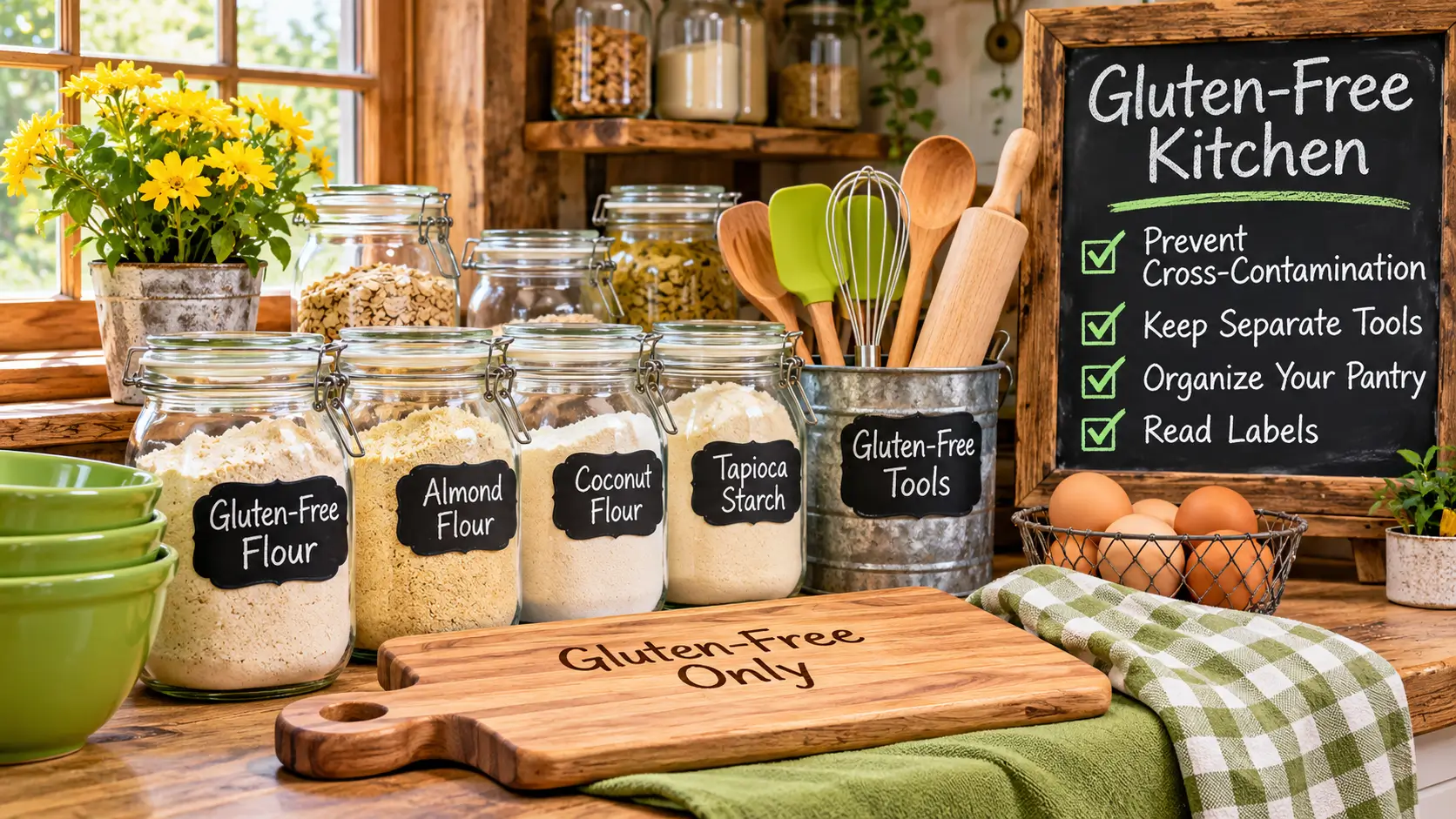
- Wooden cutting boards: Wood can hold crumbs and residue. Use a dedicated gluten-free cutting board.
- Wooden spoons: Keep separate utensils for gluten-free cooking.
- Colanders: Pasta residue can remain in the holes. Use a dedicated gluten-free colander.
- Nonstick cookware: Replace scratched or damaged pans that may trap food residue.
- Rolling pins: Keep a separate rolling pin for gluten-free dough.
- Baking sheets: Use dedicated, thoroughly cleaned baking sheets or liners.
You don’t need to replace every pot, pan, or stainless-steel utensil. Smooth, nonporous equipment that can be thoroughly washed is generally suitable for shared use.
4. Create a Gluten-Free Baking Area
If you enjoy baking, this is especially important.
Regular wheat flour can become airborne during mixing, measuring, and pouring. Flour dust can settle on counters, appliances, utensils, and even open containers of gluten-free ingredients.
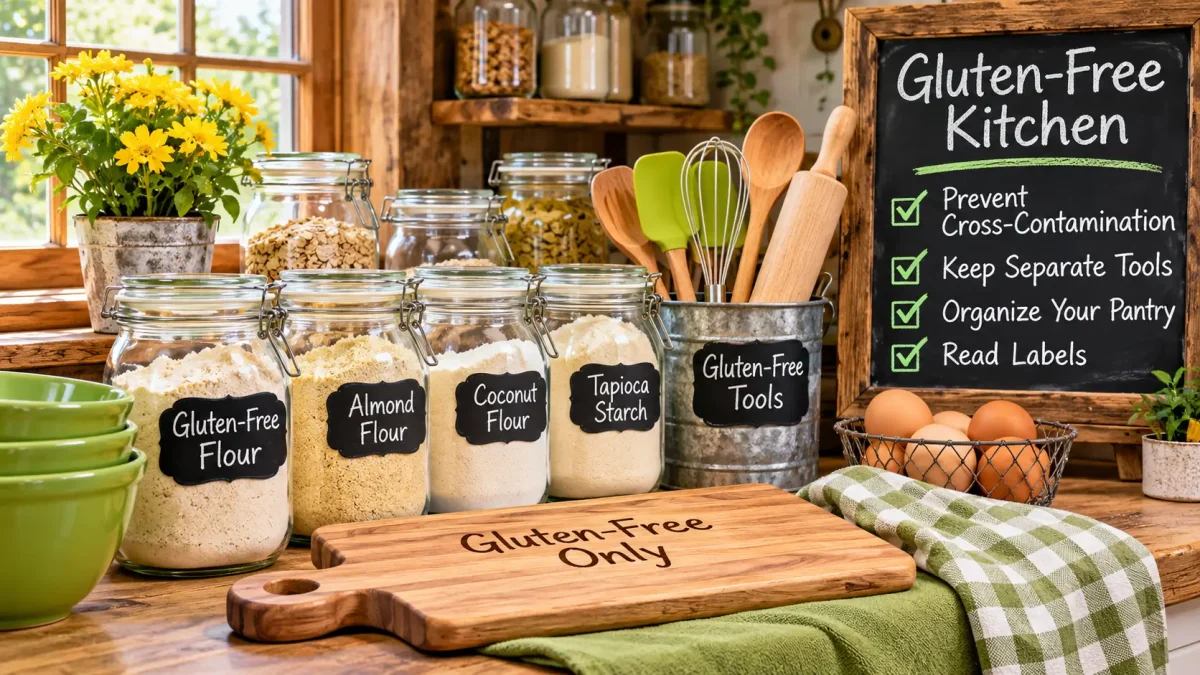
If possible, establish a dedicated gluten-free baking area.
Keep the following items together:
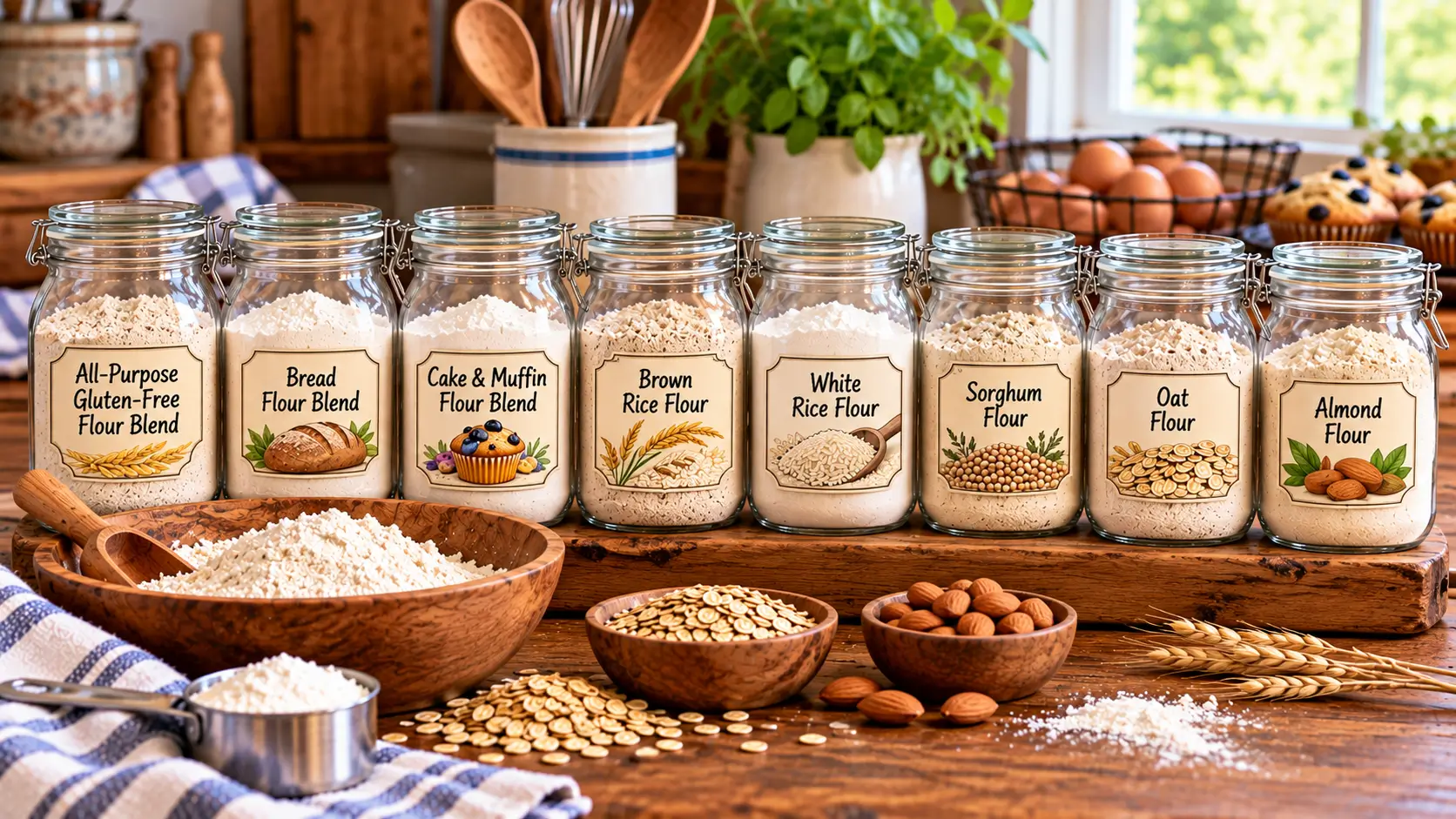
- Gluten-free flour blends
- Almond flour and coconut flour
- Tapioca starch
- Baking powder and baking soda
- Gluten-free yeast
- Dedicated measuring cups
- Mixing bowls
- Baking utensils
- Parchment paper
Store gluten-free flours in airtight containers and label them clearly.
If someone in your household still bakes with wheat flour, avoid preparing gluten-free food in the same area until the flour dust has settled and the surfaces and equipment have been thoroughly cleaned.
5. Watch Out for Hidden Cross-Contamination
One of the easiest ways to accidentally contaminate gluten-free food is through everyday kitchen habits.
Here are some common problems to watch for:
Butter and spreads: Someone spreads regular bread crumbs into a shared butter dish. Use separate containers for gluten-free meals.
Peanut butter and jelly: Keep separate jars or use squeeze bottles to prevent crumbs from entering shared containers.
Condiments: Squeeze bottles are often easier to manage than jars where knives or spoons are shared.
Cooking water: Never cook gluten-free pasta in water that has been used for regular pasta.
Frying oil: Oil previously used to fry breaded foods should not be reused for gluten-free foods.
Grills: Clean shared grills thoroughly and use a clean surface or dedicated grill pan to avoid contact with gluten-containing foods.
Dishcloths and sponges: Use clean ones to avoid spreading crumbs and food residue around your kitchen.
6. Read Every Food Label
Never assume a product is gluten-free simply because it doesn’t contain obvious wheat ingredients.
Check labels on:
- Spices and seasoning blends
- Bouillon and broth
- Salad dressings
- Sauces and gravies
- Canned soups
- Processed meats
- Baking ingredients
- Candy and snack foods
Look for products specifically labeled gluten-free. In the United States, foods carrying a gluten-free claim must meet the FDA standard of less than 20 parts per million (ppm) of gluten.
For oats, choose products specifically labeled gluten-free because ordinary oats are frequently contaminated during growing, harvesting, or processing. Some people with celiac disease may also react to the oat protein avenin, so discuss oats with your healthcare professional.
7. Organize Your Refrigerator and Freezer
Keeping gluten-free foods separate makes meal preparation much easier.
Use labeled containers and dedicate a refrigerator shelf or storage bin to gluten-free ingredients and prepared foods.
Keep gluten-free leftovers covered and away from foods containing wheat, breadcrumbs, or flour.
When storing homemade gluten-free bread, muffins, tortillas, or other baked goods, use sealed containers or freezer bags to prevent accidental contact.
8. Make Your Kitchen Safe for the Whole Family
You don’t necessarily have to make your entire household gluten-free to maintain a safe kitchen.
However, everyone needs to understand the importance of preventing cross-contamination.
Establish a few simple household rules:
- Never use the gluten-free toaster for regular bread.
- Always use clean utensils when preparing gluten-free food.
- Never put a used knife back into a shared spread.
- Keep gluten-free ingredients sealed and separate.
- Wash hands before preparing gluten-free meals.
- Clean countertops before preparing gluten-free food.
- Keep separate condiments and spreads.
If you have celiac disease, these habits aren’t simply about keeping your kitchen tidy. They are part of protecting your health.
9. Build Your Gluten-Free Kitchen Gradually
Preparing a gluten-free kitchen can feel overwhelming, especially if you are just starting out.
You don’t have to purchase everything at once. Begin with the essentials:
- A dedicated toaster
- A separate cutting board
- A gluten-free colander
- A few mixing bowls and utensils
- Airtight storage containers
- Separate condiments and spreads
- A selection of certified or labeled gluten-free ingredients
As you become more comfortable cooking gluten-free, you can add more specialized equipment.
Final Thoughts
Creating a gluten-free kitchen is one of the most important steps toward successfully maintaining a gluten-free lifestyle.
The goal isn’t to have a perfect kitchen filled with expensive equipment. It’s to develop safe habits, understand where cross-contamination can happen, and organize your cooking space so that gluten-free meals remain gluten-free.
Whether you’re preparing gluten-free bread, homemade pasta, cookies, or everyday family meals, a little planning can make a tremendous difference.
Once your kitchen is organized, you’ll find that cooking gluten-free becomes much easier, safer, and more enjoyable.
Remember: Gluten-free cooking starts with a gluten-free-safe kitchen!