If you’ve ever stood over a giant pot of boiling water in the middle of summer, you already know canning can feel like a full-contact sport. That’s exactly why I started looking into steam canning—and honestly, I wish I had tried it sooner.
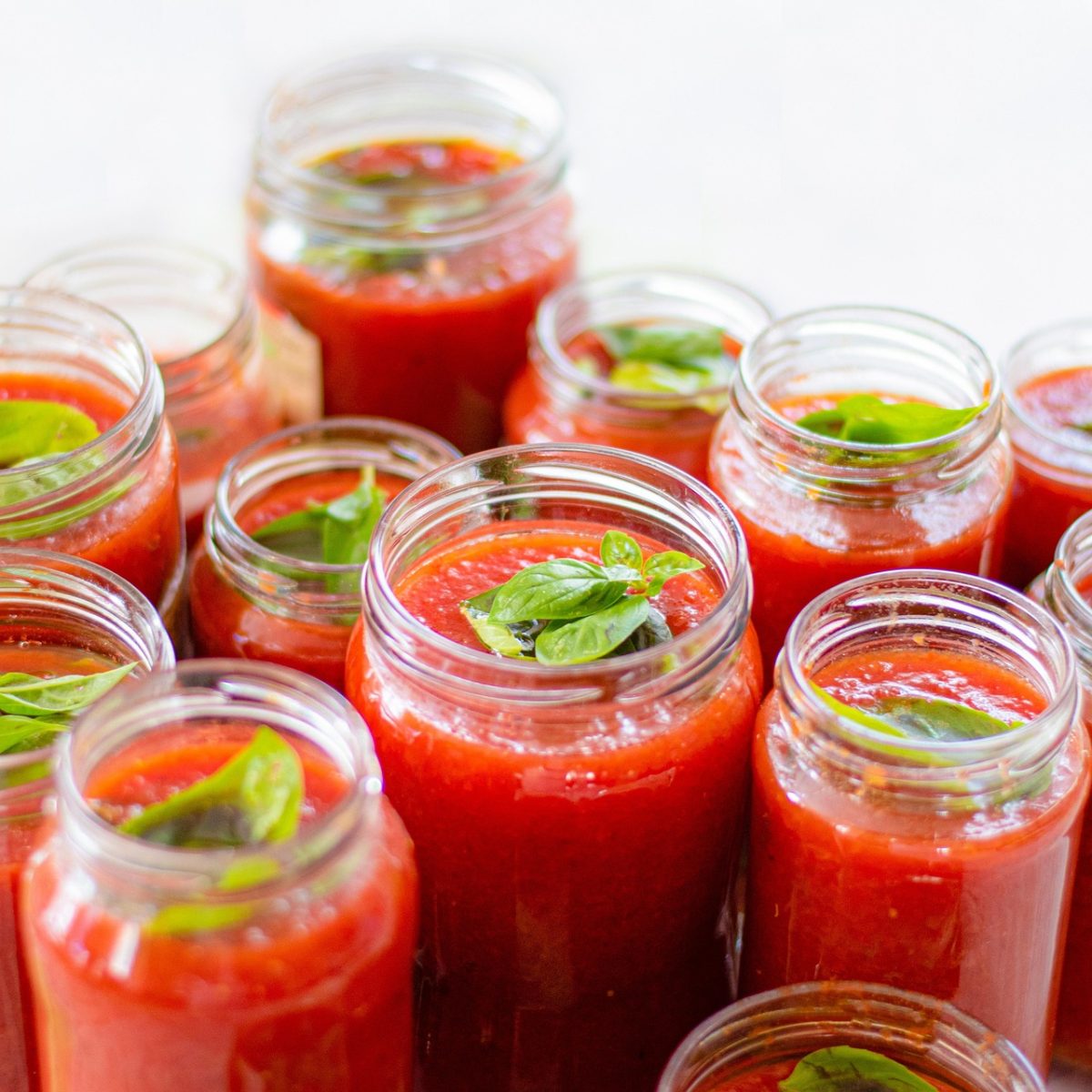
Steam canning is a safe, efficient alternative to water bath canning for high-acid foods (anything with a pH of 4.6 or lower). Think fruits, jams, jellies, and pickles—the good stuff most of us are putting up anyway. Instead of submerging your jars in water, a steam canner uses a shallow base of boiling water to create a hot steam environment that does the job just as safely.
What I love right off the bat? You’re not hauling around a giant stockpot full of water. A steam canner uses just a couple quarts, heats up faster, and doesn’t turn your kitchen into a sauna.
Now, before we all go tossing out our water bath canners, there are a few important rules to follow.
First, stick with tested, approved recipes. This isn’t the time to wing it. Use reliable sources like the National Center for Home Food Preservation or university extension programs. If it’s not a high-acid recipe, it does not belong in a steam canner—no meats, no plain vegetables. Those still need a pressure canner.
Second, processing time matters. Steam canning is only recommended for recipes that process in 45 minutes or less. Anything longer, and you’re back to water bath territory.
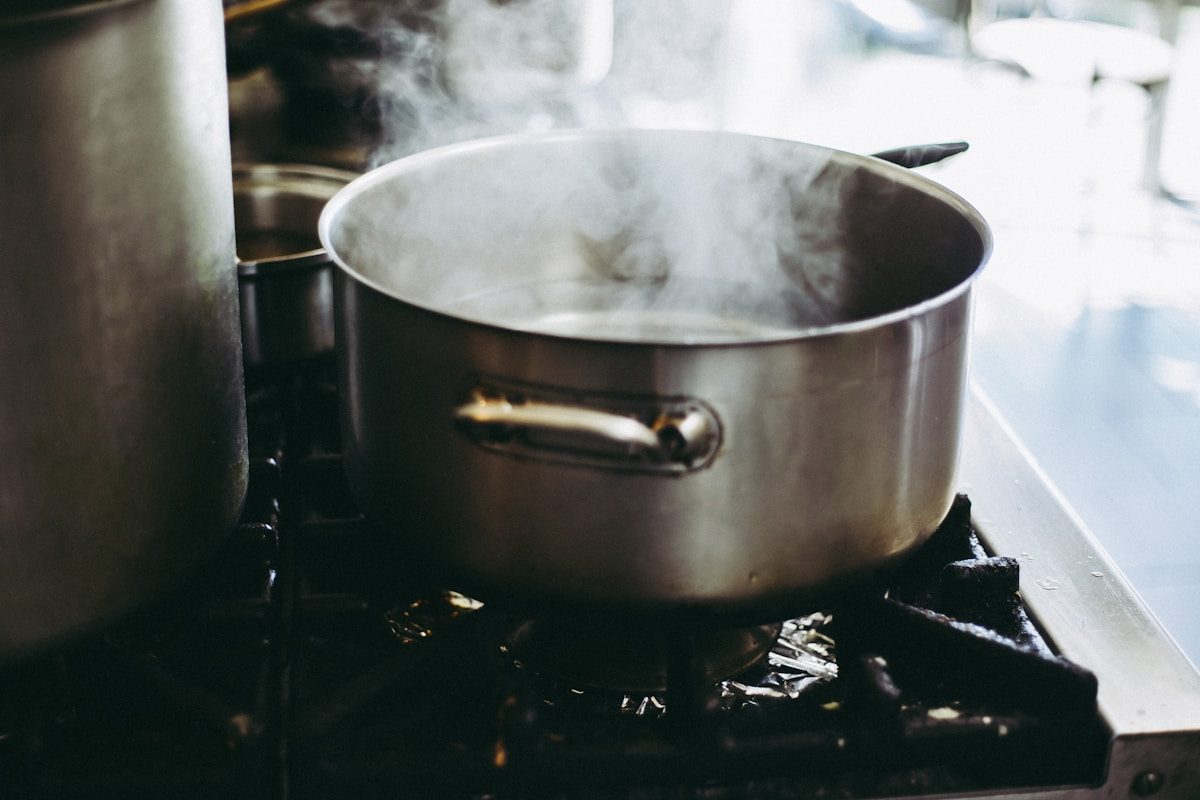
The process itself is pretty simple. Add about 2–3 quarts of water to the base and bring it to a boil. Keep your jars hot (just like you normally would), then load them onto the rack and put the lid on. Here’s the key moment—wait until you see a steady, visible column of steam, about 6–8 inches coming out of the vent holes. That’s when you start your timer, not before.
From there, you just maintain a steady boil. No peeking, no lifting the lid mid-process. Let it do its thing.
If you live at a higher altitude, don’t skip your adjustments. Follow the same guidelines you would with water bath canning—those rules still apply.
One of the biggest perks for me is how much easier this is on my stove (and my arms). It’s lighter, faster, and I’m not wrestling with gallons of boiling water. Plus, it works well on glass-top stoves, which is a huge win if you’ve ever worried about cracking one with a heavy pot.
Steam canning isn’t some trendy shortcut—it’s a legit, research-backed method when used correctly. As long as you follow the guidelines, it’s a great way to make canning a little less of a chore and a lot more enjoyable.
And anything that makes putting up food easier? I’m all for it.