
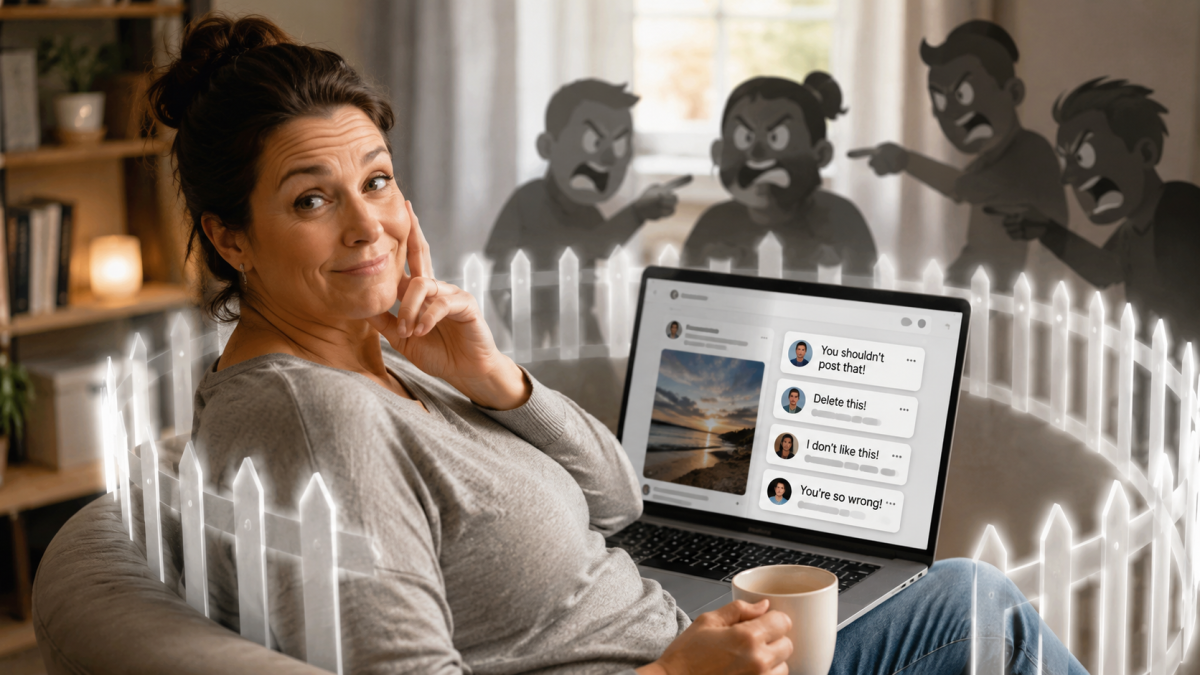
It’s My Profile: You Don’t Get to Decide What I Post
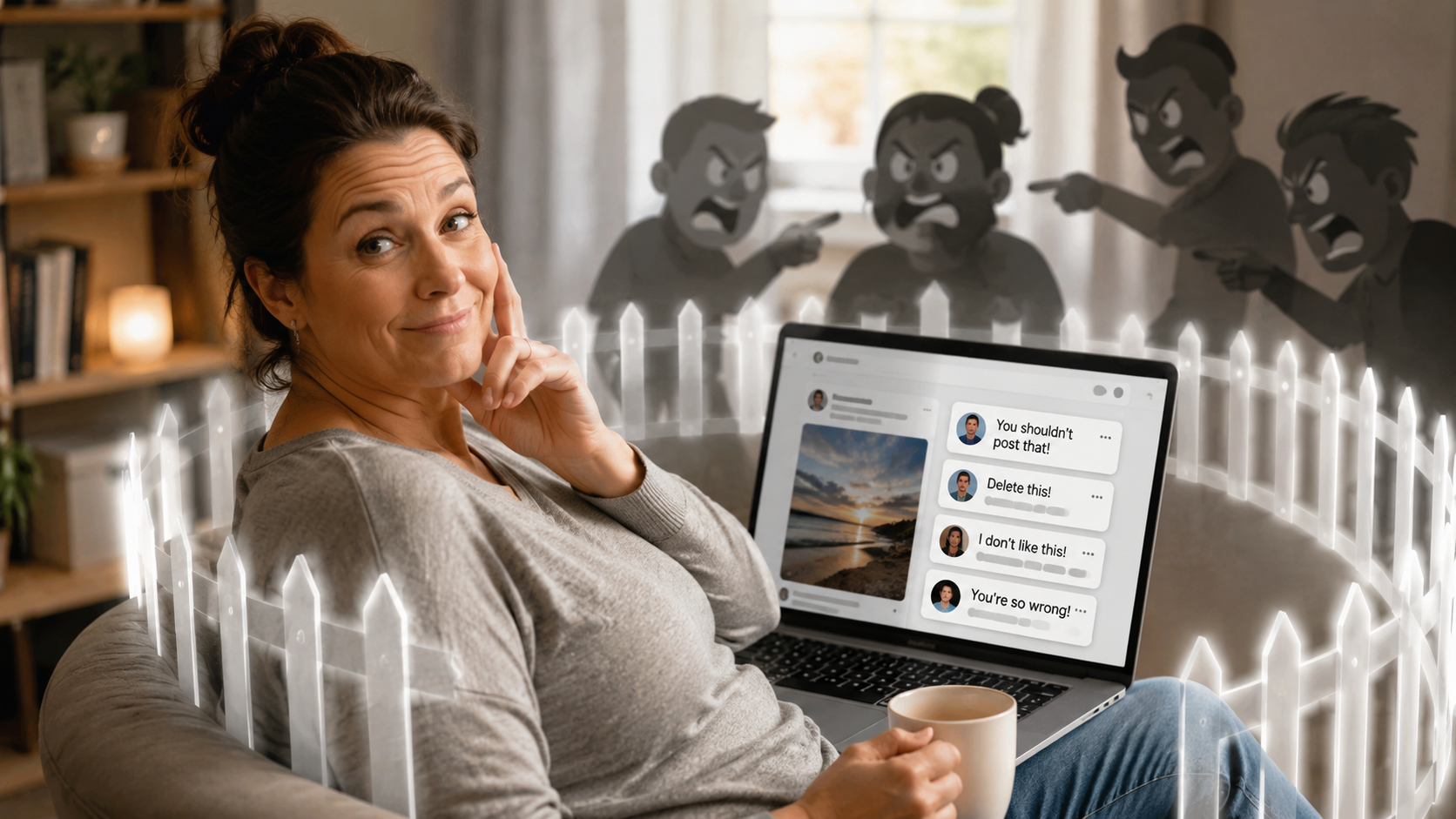
Have you ever posted something on social media and suddenly someone appears in your comments telling you what you should post, what you shouldn’t post, or what they think you have the right to say?
Apparently, some people have forgotten one very important detail:
It’s your profile.
If I post something on my personal Facebook page, Instagram account, or other social media profile, you are absolutely allowed to disagree with me. You can think I'm wrong. You can think I'm annoying. You can think my opinion is ridiculous.
What you don't get to do is act like you're the owner of my account.
You Don't Have to Like Everything I Post
Social media has created a strange expectation that everyone should somehow agree with everyone else.
We shouldn't.
People have different political beliefs, religious beliefs, experiences, senses of humor, interests, priorities, and opinions. That's part of being human.
If I post something you don't like, you have choices.
You can scroll past it.
You can disagree.
You can respectfully tell me why you disagree.
You can unfollow me.
You can mute me.
You can even block me.
What you don't need to do is march into my comments and announce that I am no longer permitted to have an opinion because you don't approve of it.
Social-media etiquette itself recognizes that people don't have to agree, and that respectful disagreement is different from harassment or personal attacks.
“You Shouldn't Post That”
One of my favorite phrases on social media is:
“You shouldn't post that.”
Why?
According to whom?
Unless you're my parent, my spouse, my boss, my lawyer, or someone whose advice I specifically asked for, I'm probably not looking for permission.
There is a difference between saying:
“I disagree with this.”
and saying:
“You shouldn't be allowed to post this.”
The first is an opinion.
The second is an attempt to control someone else's speech.
And there's a pretty big difference.
Your Discomfort Doesn't Give You Authority
Here's something we all need to remember:
Being offended does not automatically make you the authority.
You can be uncomfortable with someone's political opinion.
You can dislike their religion.
You can disagree with their parenting choices.
You can hate their sense of humor.
You can think their recipe looks terrible.
You can even think their post is completely wrong.
You're still not entitled to control their personal profile.
Social media platforms have their own rules and community standards, and those rules are what determine what platforms may remove—not whether some random commenter personally approves of a post. Meta, for example, has acknowledged that disagreement and criticism are part of open expression while also maintaining rules against threats, harassment and other harmful content.
There Is a Difference Between Disagreement and Harassment
Now, let's be reasonable.
Having your own profile doesn't mean you can post absolutely anything without consequences.
Threats, targeted harassment, doxxing, hate-based attacks, fraud, and other prohibited content are a different matter. Platforms have rules, and those rules apply to everyone.
And there are also situations where someone genuinely needs to be told, “Hey, that's not okay.”
But there's a huge difference between calling out harmful behavior and simply demanding that someone remove an opinion because you don't like it.
If someone posts something you disagree with, you don't automatically become the Social Media Police.
The “I'm Just Trying to Help” Crowd
Then there's another category.
The people who disguise control as concern.
They'll say:
“I'm just trying to help you.”
“I'm only telling you because I care.”
“I'm trying to save you from embarrassing yourself.”
“You really shouldn't be posting things like this.”
Sometimes that advice is genuinely well-intentioned.
But sometimes it's simply a nicer way of saying:
“I don't like what you're saying, and I want you to stop.”
There's nothing wrong with offering advice when someone asks for it.
But unsolicited advice becomes exhausting when it turns into repeated demands.
You Can Always Leave
Here's the beautiful thing about social media:
You don't have to stay.
If my posts bother you that much, unfollow me.
If you don't want to see what I post, mute me.
If you can't stand my opinions, block me.
It's really that simple.
You don't have to sit there reading every post just so you can tell me how much you hate it.
And I don't have to change my profile to make you comfortable.
“But Everyone Can See It!”
Yes.
That's generally how social media works.
If I choose to make a post public, I'm aware that people can see it. I'm also aware that people may disagree with it.
That's part of the deal.
Posting publicly doesn't mean I have surrendered ownership of my opinions.
It means I've chosen to share them.
And you are free to decide whether you want to listen.
You Don't Have to Agree With Me
I'd actually be concerned if everyone who followed me agreed with everything I said.
What would be the point?
Healthy conversations require different viewpoints.
Even social-media etiquette guidance encourages respectful disagreement rather than turning every difference of opinion into a personal fight.
You can say:
“I don't agree.”
You can say:
“I see it differently.”
You can explain your position.
You might even convince me that I'm wrong.
But don't confuse disagreement with authority.
You don't get to tell another adult what they're allowed to think simply because you don't like the thought.
My Profile, My Choice
At the end of the day, my social media profile is a reflection of me.
It might contain things you love.
It might contain things you hate.
It might contain things that make you laugh.
It might contain opinions that make you roll your eyes.
That's okay.
You don't have to like it.
You don't have to agree with it.
You don't even have to follow me.
But if you're going to spend your time hanging around my profile just to tell me what I'm allowed to post, maybe the problem isn't my profile.
Maybe you're following the wrong person.
So the next time you see something on someone's personal page that you don't like, remember three simple choices:
Scroll.
Unfollow.
Move on.
You don't have to make everyone else change their opinions to make yourself comfortable.
And neither do they.








One Response
❤ Everything ❤ you ❤ said. ❤❤❤ -Michael ❤❤❤