Healthy eating doesn’t have to feel overwhelming, restrictive, or trendy. At its core, it’s about choosing foods that support your body, energy, and long-term well-being. One approach that’s gained a lot of attention is eating organic—and for good reason.
But what does “organic” really mean, and how can it fit into a healthy, realistic lifestyle? Let’s break it down.
What Is Organic Food?
Organic food is grown or produced without synthetic pesticides, chemical fertilizers, genetically modified organisms (GMOs), or routine antibiotics and hormones (in the case of animal products). Organic farming also focuses on soil health, biodiversity, and environmental sustainability.
While organic food isn’t a magic solution, it can be a powerful part of a healthy eating pattern.
Why Choose Organic for Healthy Eating?
One of the biggest benefits of organic food is reduced exposure to pesticide residues, especially on fruits and vegetables. Organic produce often contains higher levels of antioxidants, which help protect your cells from damage.
Organic animal products—like eggs, dairy, and meat—are also free from added growth hormones and routine antibiotics. Many people find they taste better and feel more comfortable digesting them.
Beyond personal health, choosing organic supports farming practices that are better for the environment, including healthier soil and cleaner water.
Focus on What Matters Most
If buying everything organic feels unrealistic, that’s okay. Healthy eating is about balance, not perfection.
Some foods are especially worth buying organic:
-
Leafy greens like spinach and lettuce
-
Berries
-
Apples and grapes
-
Tomatoes and bell peppers
These foods tend to carry more pesticide residue when conventionally grown.
On the other hand, foods like bananas, avocados, onions, beans, rice, and oats are generally fine to buy non-organic if needed. Eating fruits and vegetables—organic or not—is always better than skipping them altogether.
Building a Healthy Organic Plate
A simple way to eat well with organic food is to build balanced meals:
-
Half your plate filled with vegetables (organic when possible)
-
A quarter with protein such as organic eggs, beans, lentils, fish, or poultry
-
A quarter with whole grains or starchy vegetables
-
Healthy fats like olive oil, nuts, seeds, or avocado
This approach supports stable energy, better digestion, and overall health.
Simple Organic Meal Ideas
Healthy organic meals don’t need to be complicated:
-
Oatmeal topped with organic berries and nuts
-
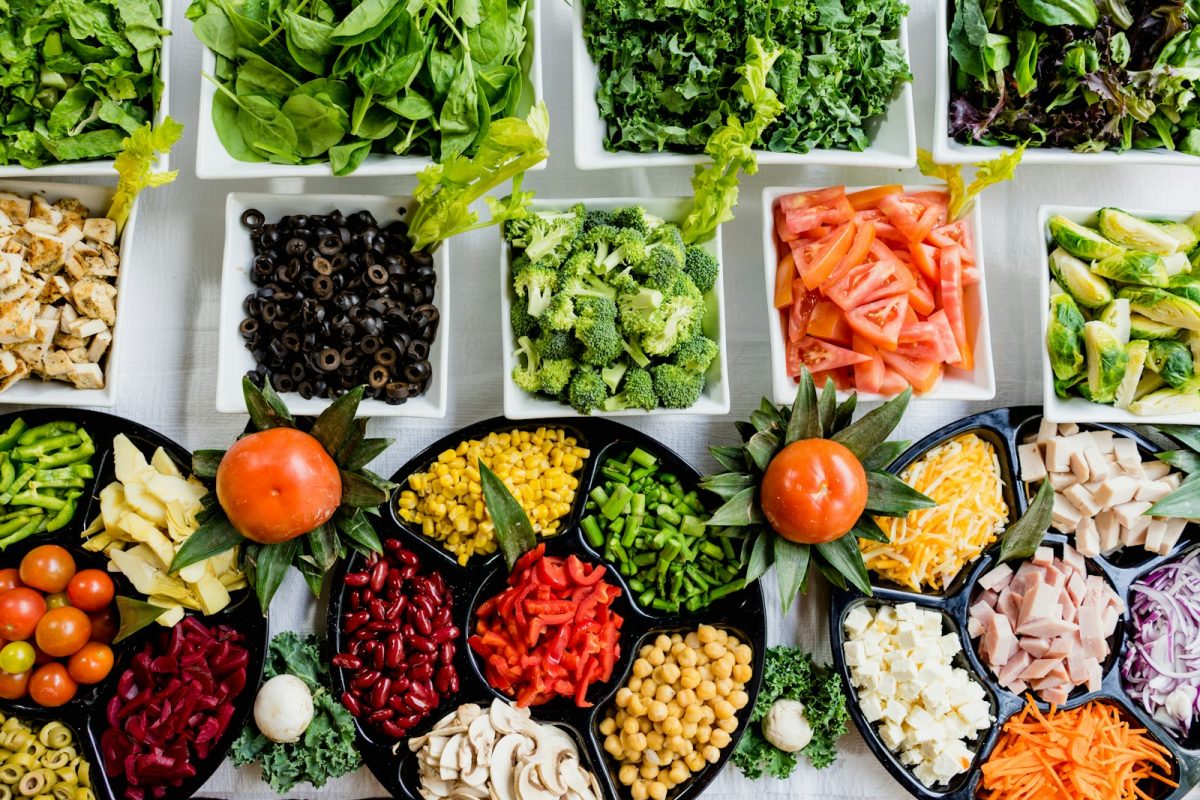
A big salad with organic greens, chickpeas, olive oil, and lemon
-
Organic eggs scrambled with vegetables
-
Lentil or bean soup made with organic produce
-
Fresh fruit with nut butter for a snack
The Bottom Line
Healthy eating with organic food is about making mindful choices—not chasing perfection. Organic options can reduce chemical exposure, support sustainable farming, and enhance the quality of your diet, but the most important thing is consistency and variety.
Choose whole foods, eat plenty of plants, listen to your body, and do the best you can within your lifestyle and budget. That’s what truly healthy eating looks like.