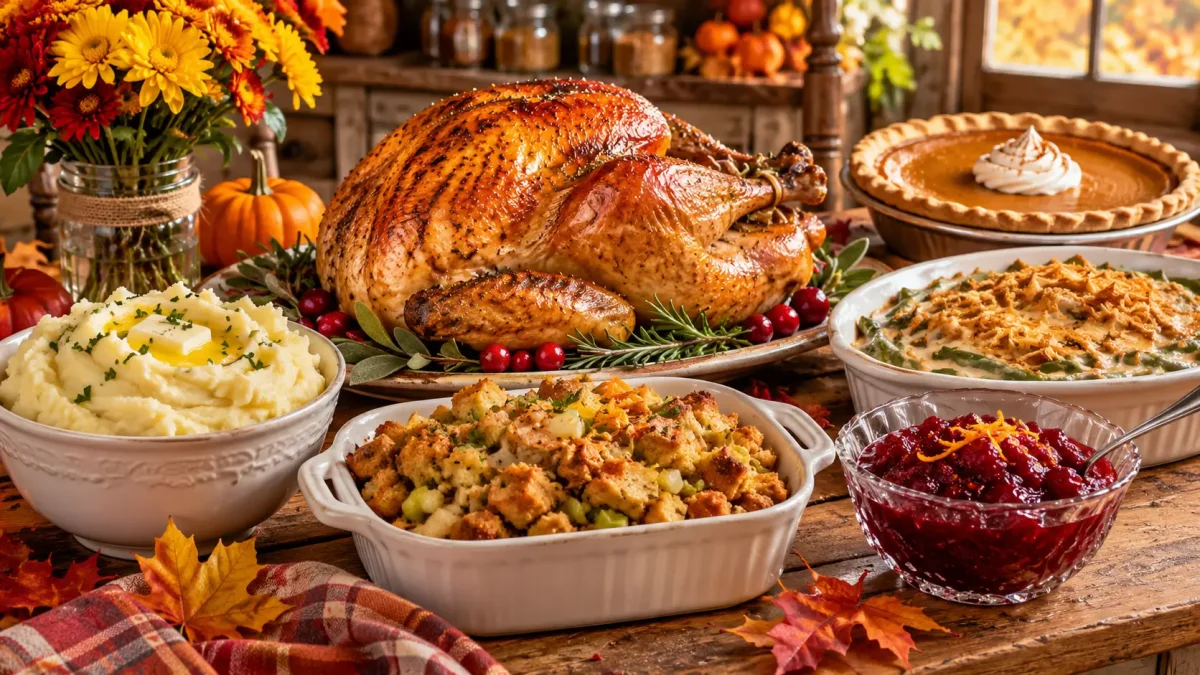
Gluten-Free Thanksgiving: Tips for a Safe and Delicious Holiday
Thanksgiving is all about family, friends, and gathering around the table to enjoy a wonderful meal. But if you or someone in your family eats gluten-free, holiday cooking can present a few challenges. Traditional Thanksgiving favorites often contain hidden gluten, from stuffing and gravy to casseroles and desserts.
The good news is that you don’t have to give up your favorite holiday foods! With a little planning, some simple substitutions, and attention to cross-contamination, you can enjoy a delicious Thanksgiving dinner that everyone can share.
Here are some practical tips to help you prepare a gluten-free Thanksgiving without sacrificing flavor or tradition.
1. Plan Your Menu Ahead of Time
Start planning your Thanksgiving menu early. Make a list of all the dishes you want to serve and check the ingredients in each recipe.
Look for hidden sources of gluten, including:
– Regular flour
– Breadcrumbs
– Traditional stuffing mixes
– Soy sauce
– Bouillon cubes and seasoning packets
– Canned cream soups
– Gravy mixes
– Some salad dressings and marinades
Many of these ingredients have gluten-free alternatives available. Planning ahead also gives you time to experiment with recipes before the big day.
2. Prepare a Gluten-Free Turkey
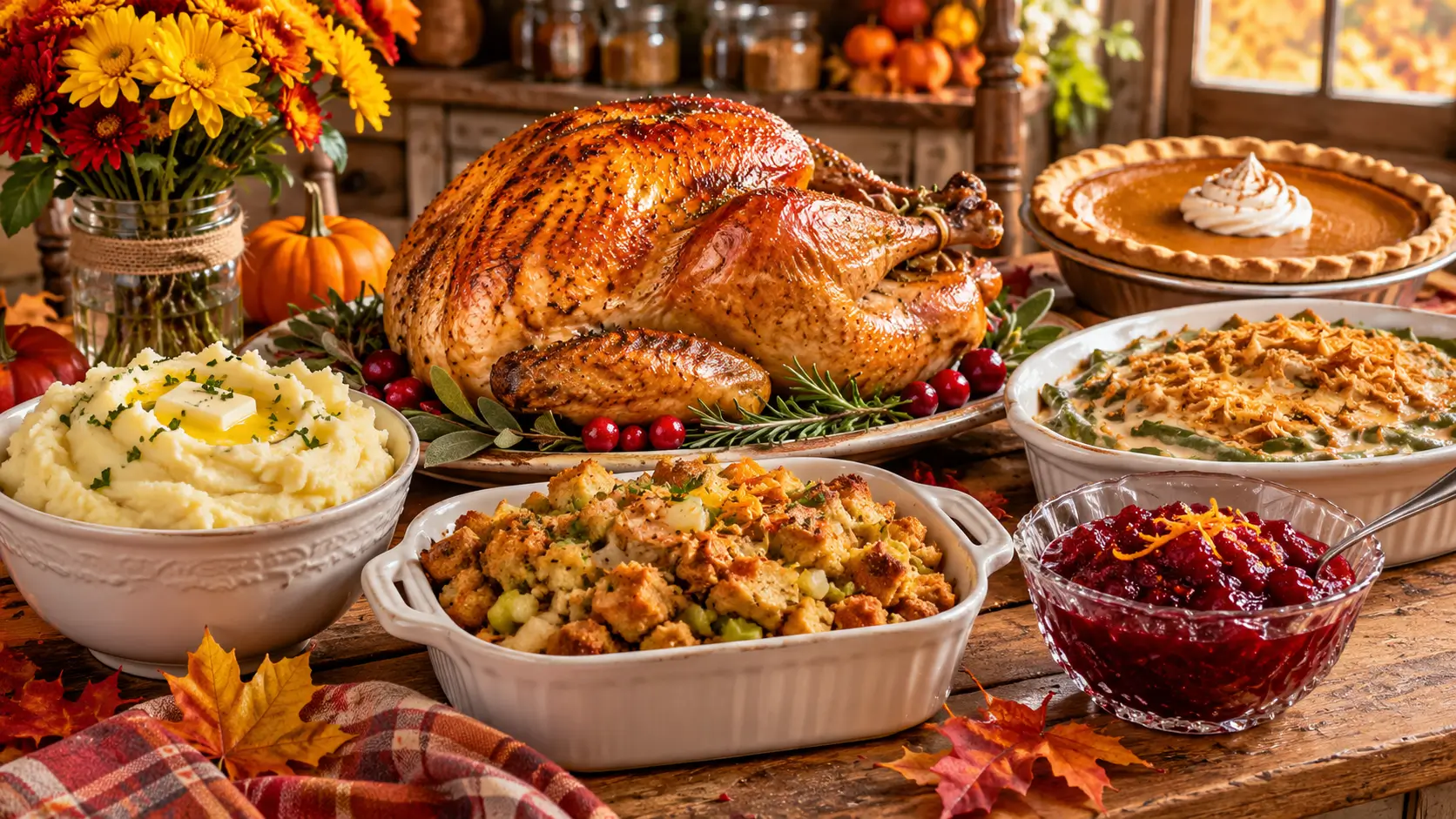
Good news! Plain, fresh turkey is naturally gluten-free.
However, be careful with:
– Pre-basted turkeys
– Self-basting turkeys
– Preseasoned turkey products
– Injected marinades
– Packaged gravy included with the turkey
Always check the ingredient label. Some products contain wheat-based ingredients or additives that may contain gluten.
For the safest option, choose a plain turkey and season it yourself with gluten-free herbs, spices, butter, or olive oil.
3. Make Gluten-Free Stuffing
Stuffing is one of those Thanksgiving dishes many people don’t want to give up.
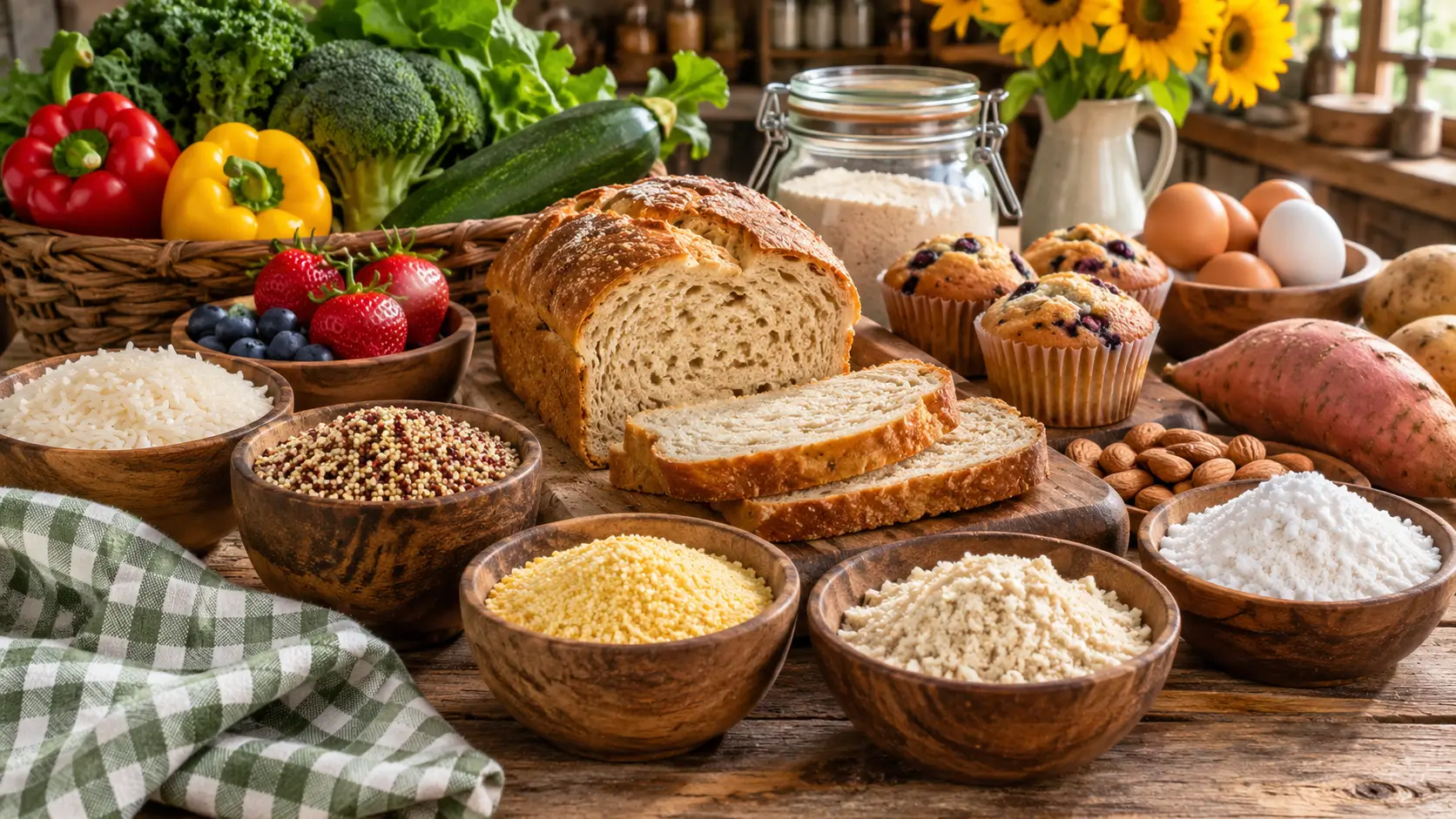
Fortunately, gluten-free bread makes an excellent stuffing. You can use homemade gluten-free bread or a good-quality store-bought gluten-free loaf.
Cut the bread into cubes and allow it to dry before adding your traditional stuffing ingredients.
Try adding:
– Celery
– Onions
– Butter
– Chicken broth
– Sage
– Thyme
– Rosemary
– Poultry seasoning
Important: Cook stuffing separately in a casserole dish rather than inside the turkey. This makes it easier to avoid cross-contamination and ensures the stuffing reaches a safe temperature.
4. Don’t Forget the Gravy!
Traditional gravy is usually thickened with wheat flour, but there are several gluten-free alternatives.
Try:
– Cornstarch
– Tapioca starch
– Arrowroot powder
– Gluten-free all-purpose flour
Cornstarch is especially easy to use. Mix it with cold water to make a slurry before slowly adding it to your hot turkey drippings.
Always check your broth, bouillon, and seasonings to make sure they are gluten-free.
5. Give Your Thanksgiving Sides a Gluten-Free Makeover
Most Thanksgiving side dishes can easily be made gluten-free.
Here are some ideas:
Mashed Potatoes: Use real potatoes, butter, milk, cream, and seasonings. Avoid packaged mixes unless they are labeled gluten-free.
Green Bean Casserole:Make your own gluten-free cream sauce and top it with gluten-free crispy onions or breadcrumbs.
Sweet Potato Casserole: Use sweet potatoes, butter, cinnamon, and your preferred sweetener. Check marshmallow ingredients if using them.
Roasted Vegetables: Carrots, Brussels sprouts, green beans, and squash are naturally gluten-free. Season with olive oil, herbs, salt, and pepper.
Cranberry Sauce: Homemade cranberry sauce is simple to prepare using fresh cranberries and sugar, honey, or your preferred sweetener.
6. Watch Out for Cross-Contamination
Even a small amount of gluten can be a problem for someone with celiac disease or gluten sensitivity.
If you are preparing both gluten-containing and gluten-free foods, take extra precautions.
– Thoroughly clean countertops before preparing gluten-free foods.
– Wash cutting boards, utensils, and cookware.
– Use clean sponges and dishcloths.
– Keep gluten-free ingredients separate from regular flour and breadcrumbs.
– Use separate serving spoons for each dish.
– Never reuse butter, mayonnaise, or other condiments that may have been contaminated with regular bread crumbs.
– Avoid using a shared toaster or other equipment that may contain gluten residue.
If possible, prepare gluten-free dishes first and cover them until serving time.
7. Don’t Forget Dessert!
Thanksgiving wouldn’t be complete without dessert!
You can make many traditional holiday desserts gluten-free with a few adjustments.
Consider serving:
– Gluten-free pumpkin pie
– Gluten-free apple crisp
– Pumpkin roll with gluten-free flour
– Gluten-free pecan pie
– Homemade gluten-free cookies
– Sugar-free cheesecake with a gluten-free crust
If you are using a gluten-free flour blend, remember that different blends behave differently. Follow recipes developed specifically for gluten-free baking whenever possible.
8. Be Careful When Attending Someone Else’s Thanksgiving Dinner
If you are attending Thanksgiving at someone else’s home, don’t be afraid to speak up about your dietary needs.
A few simple suggestions can make the meal much easier:
– Let your host know ahead of time that you need gluten-free food.
– Offer to bring a gluten-free side dish or dessert.
– Ask about ingredients in prepared foods.
– Bring your own serving utensils if necessary.
– Keep your food separate from dishes containing gluten.
If you aren’t sure whether a dish is safe, it’s better to skip it than take a chance.
9. Create a Gluten-Free Thanksgiving Kitchen
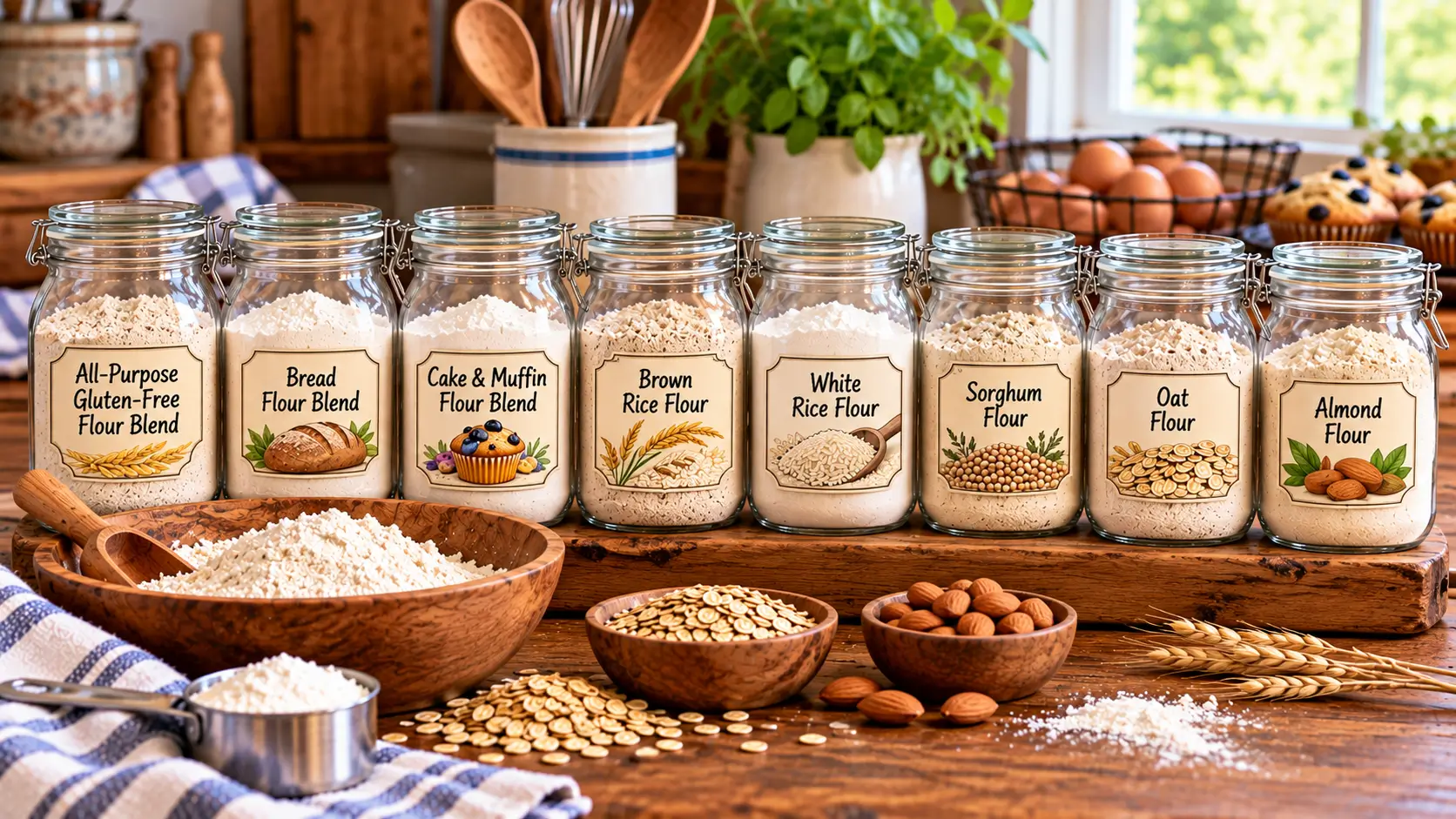
If you regularly cook gluten-free, consider keeping a few holiday essentials on hand.
Some helpful pantry staples include:
– Gluten-free all-purpose flour
– Gluten-free bread flour
– Cornstarch or tapioca starch
– Gluten-free breadcrumbs
– Gluten-free chicken broth
– Gluten-free seasonings
– Gluten-free baking powder
– Gluten-free pasta
– Gluten-free bread
Having these ingredients available makes last-minute substitutions much easier.
10. Remember That Thanksgiving Is About More Than Food
It is easy to become overwhelmed trying to recreate every traditional Thanksgiving dish. Remember that the most important part of the holiday is spending time with the people you love.
You don’t need an elaborate menu to have a wonderful Thanksgiving. A delicious turkey, a few favorite sides, homemade gravy, and a special dessert are more than enough.
With a little preparation, everyone can enjoy a seat at the table.
Final Thoughts
A gluten-free Thanksgiving doesn’t have to be complicated, expensive, or disappointing. By planning ahead, checking ingredient labels, preventing cross-contamination, and making a few simple substitutions, you can enjoy all the flavors of a traditional Thanksgiving meal.
Whether you are cooking for someone with celiac disease, gluten intolerance, or simply choosing to avoid gluten, there are plenty of ways to make the holiday delicious and inclusive.
From my kitchen to yours, have a safe, happy, and delicious gluten-free Thanksgiving!