Gluten-Free 101: A Short Beginner’s Guide to Eating Gluten-Free
Have you ever wondered what eating gluten-free really means? Maybe you’ve recently been diagnosed with celiac disease, discovered you have a gluten sensitivity, or simply want to learn more about gluten-free foods. Whatever brought you here, getting started doesn’t have to be complicated.
The good news is that there are plenty of naturally gluten-free foods available, and with a little knowledge, you can still enjoy many of your favorite meals, breads, baked goods, and desserts.
Let’s take a look at the basics!
What Is Gluten?
Gluten is a group of proteins naturally found in certain grains. It acts like a glue, helping dough stretch and giving bread its chewy texture.
Gluten is primarily found in:
- Wheat: Including whole wheat, white flour, durum, semolina, spelt, and farro.
- Barley: Commonly found in malt, malt vinegar, cereals, and some soups.
- Rye: Often used in rye bread and crackers.
- Triticale: A grain that is a cross between wheat and rye.
Oats are naturally gluten-free, but they are frequently contaminated with wheat or barley during growing, harvesting, and processing. Choose oats specifically labeled gluten-free.
Who Needs to Avoid Gluten?
There are several reasons someone might choose or need to follow a gluten-free diet.
1. Celiac Disease
Celiac disease is an autoimmune condition. When someone with celiac disease eats gluten, their immune system reacts and damages the lining of the small intestine. Even small amounts of gluten can cause problems.
2. Non-Celiac Gluten Sensitivity
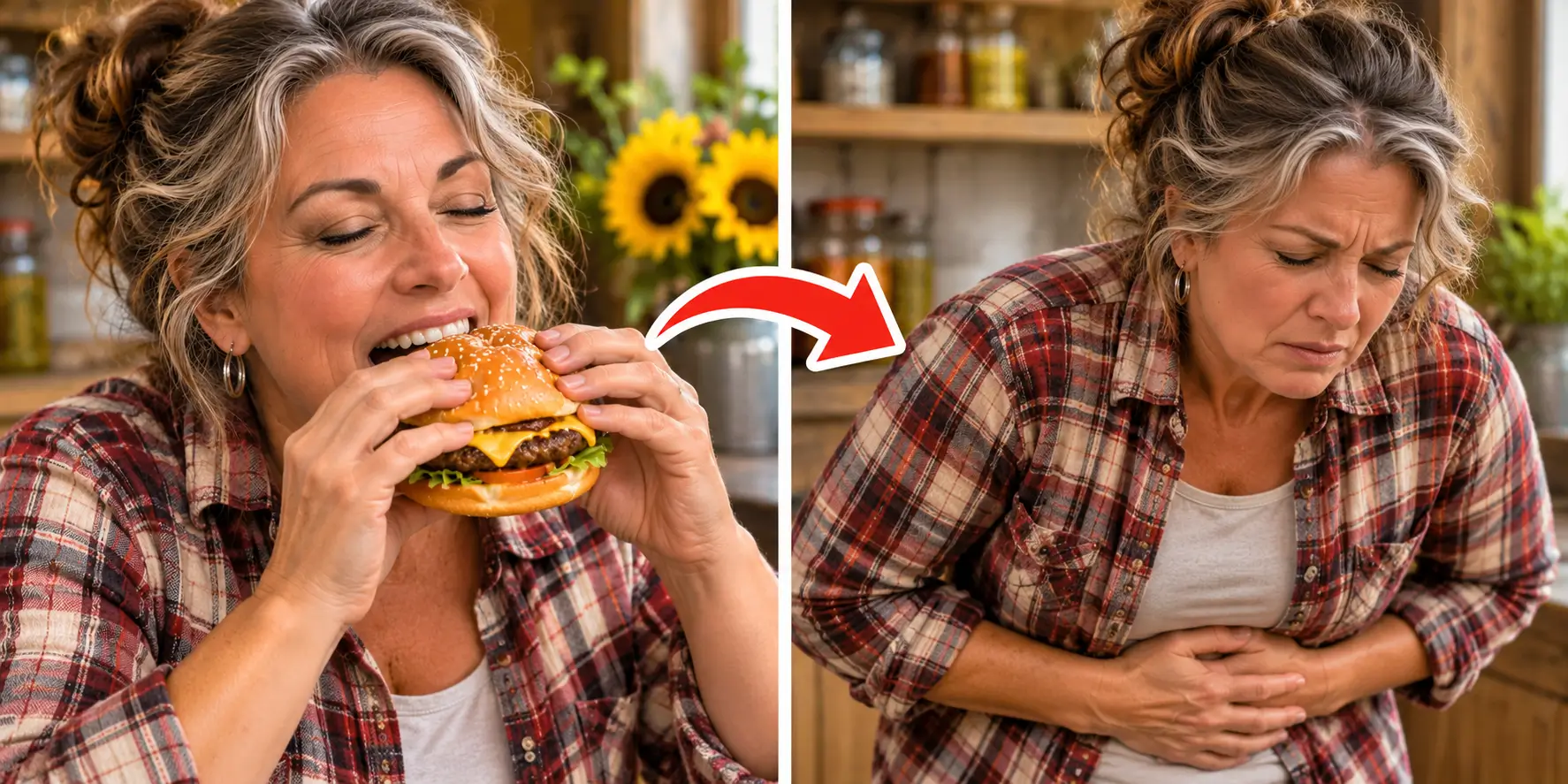
Some people experience symptoms after eating gluten but do not have celiac disease or a wheat allergy. Symptoms may include bloating, abdominal discomfort, diarrhea, constipation, headaches, and fatigue.
3. Wheat Allergy
A wheat allergy is an immune system reaction to proteins found in wheat. It is different from celiac disease and gluten sensitivity. Depending on the allergy, other gluten-containing grains may still be tolerated.
If you suspect you have celiac disease, get tested before eliminating gluten from your diet. Going gluten-free beforehand can affect test results.
What Foods Are Naturally Gluten-Free?
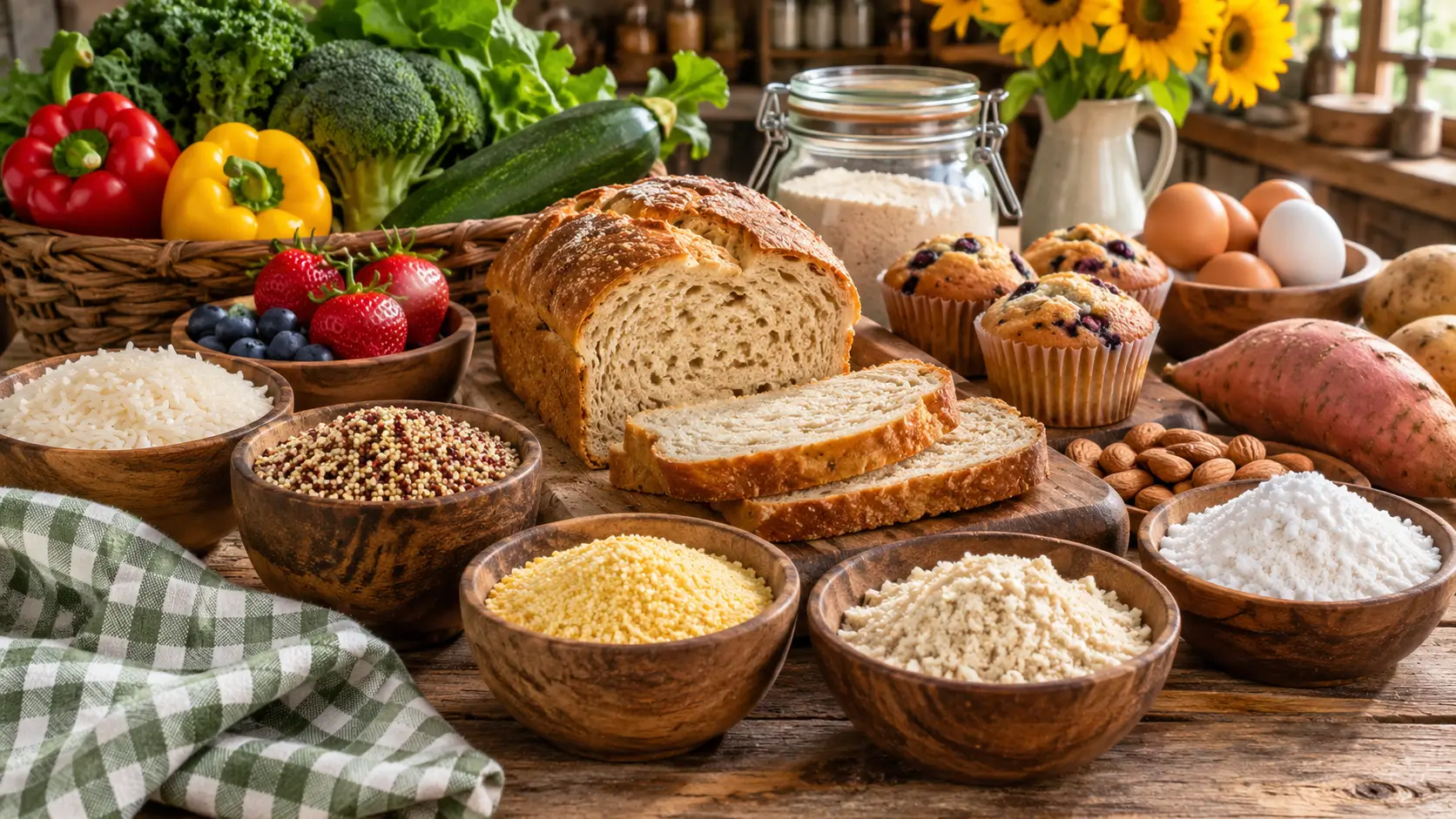
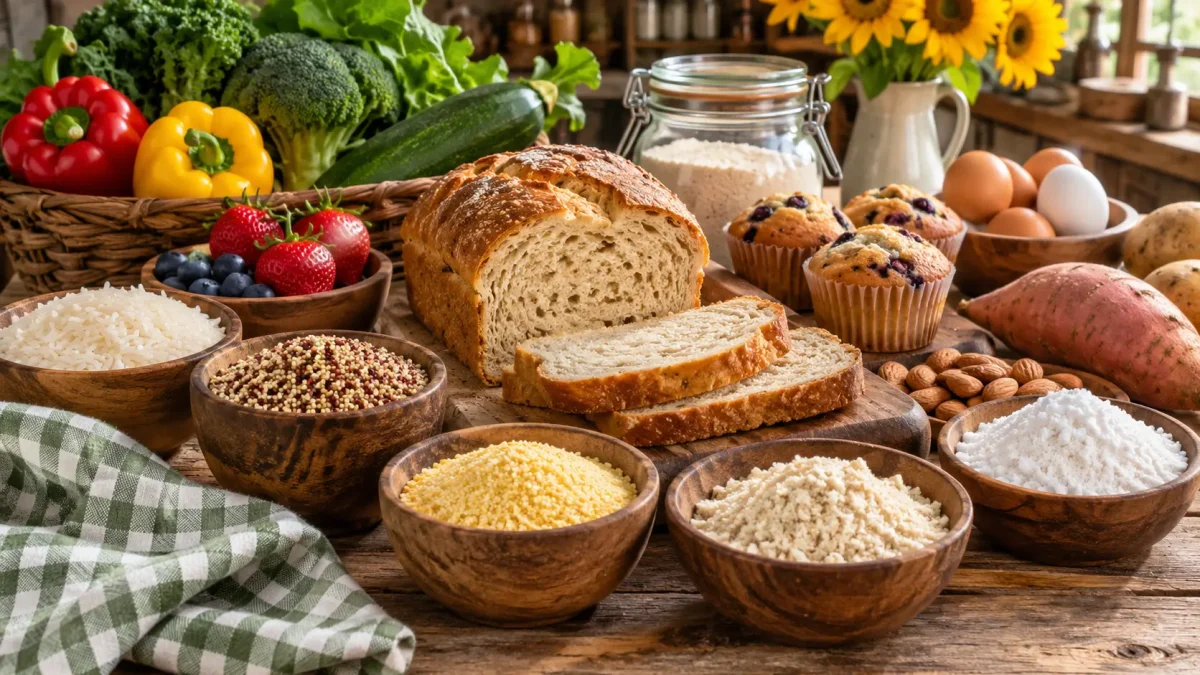
You may be surprised by how many everyday foods are naturally gluten-free!
Here are some good choices:
Meat and Protein
- Fresh beef, chicken, turkey, and pork
- Fresh fish and seafood
- Eggs
- Beans and lentils
- Plain nuts and seeds
Fruits and Vegetables
- Apples, oranges, berries, and bananas
- Broccoli, carrots, spinach, and zucchini
- Sweet potatoes and regular potatoes
- Fresh or frozen vegetables without added sauces
Grains and Starches
- Rice
- Quinoa
- Corn
- Millet
- Buckwheat
- Certified gluten-free oats
- Potatoes
- Tapioca
Dairy
- Plain milk
- Natural cheese
- Plain yogurt
- Butter
Always check flavored, seasoned, packaged, and processed versions of these foods for added ingredients.
Foods You Need to Watch Out For
Gluten can hide in foods where you might not expect it.
Some common examples include:
- Regular bread and rolls
- Pasta made with wheat
- Cakes, cookies, and pastries
- Crackers and pretzels
- Breaded meats
- Some soups and gravies
- Soy sauce
- Seasoning mixes
- Salad dressings and marinades
- Some processed meats
- Certain candies
- Soy sauce
Reading ingredient labels is one of the most important habits you can develop when eating gluten-free.
Understanding Gluten-Free Labels
In the United States, foods labeled gluten-free must contain less than 20 parts per million (ppm) of gluten under FDA regulations.
Look for products specifically labeled gluten-free, especially when buying flour, oats, baking mixes, and packaged foods.
Remember that naturally gluten-free ingredients can still become contaminated during manufacturing or preparation.
Cross-Contamination: Why It Matters
Cross-contamination happens when gluten-free food comes into contact with gluten-containing food.
This is especially important for people with celiac disease.
A few things to watch out for:
- Shared toasters used for regular and gluten-free bread.
- Cutting boards with crumbs.
- Shared colanders used for regular pasta.
- Flour dust in the kitchen.
- Shared butter or condiment containers containing bread crumbs.
- Restaurant fryers used for both breaded and unbreaded foods.
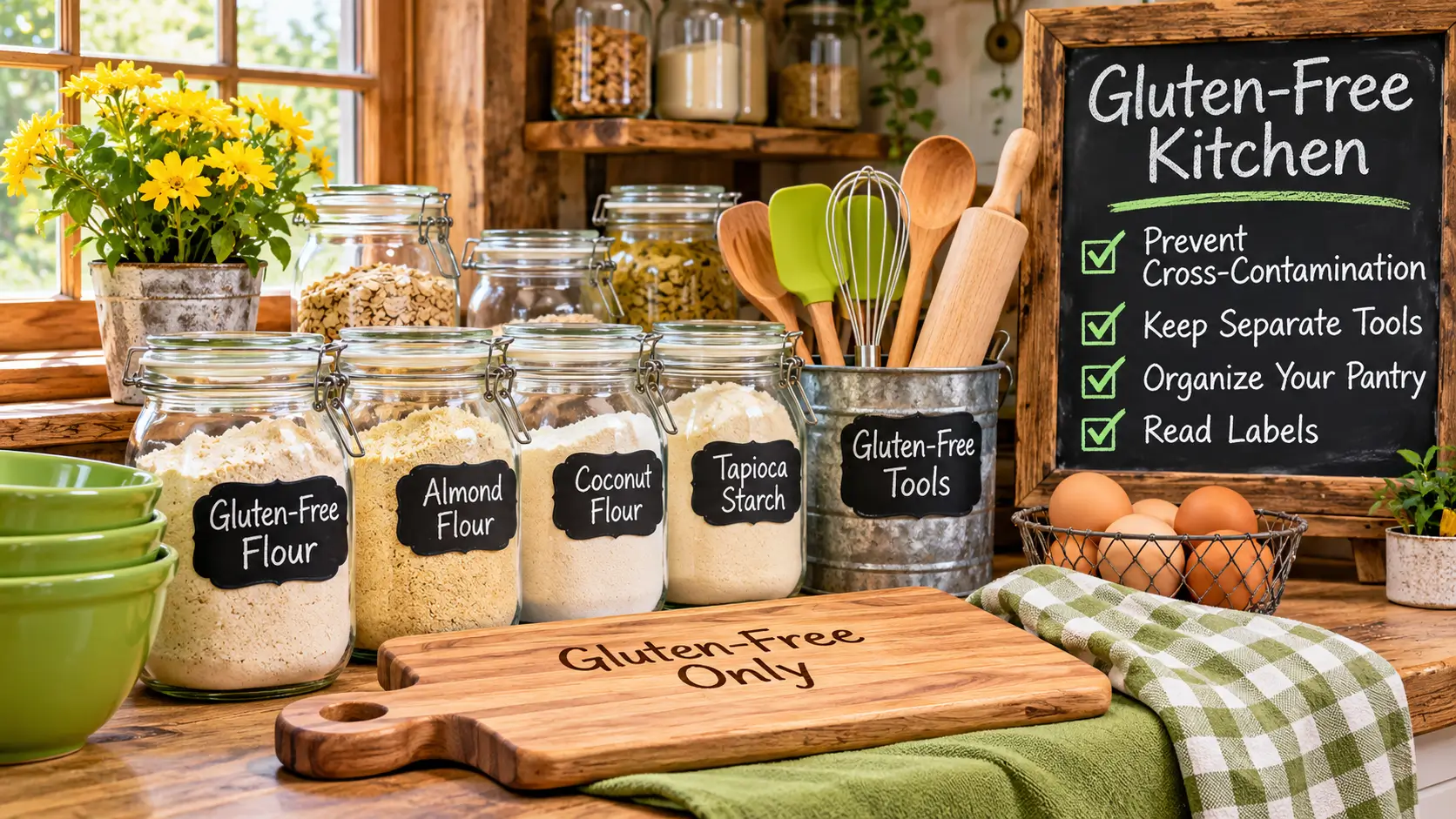
If you are cooking for someone with celiac disease, clean preparation surfaces, separate utensils, and dedicated equipment can make a big difference.
Baking Gluten-Free at Home
One of the biggest challenges for beginners is baking. Traditional wheat flour provides structure and elasticity that gluten-free flours don’t naturally have.
Fortunately, there are many alternatives!
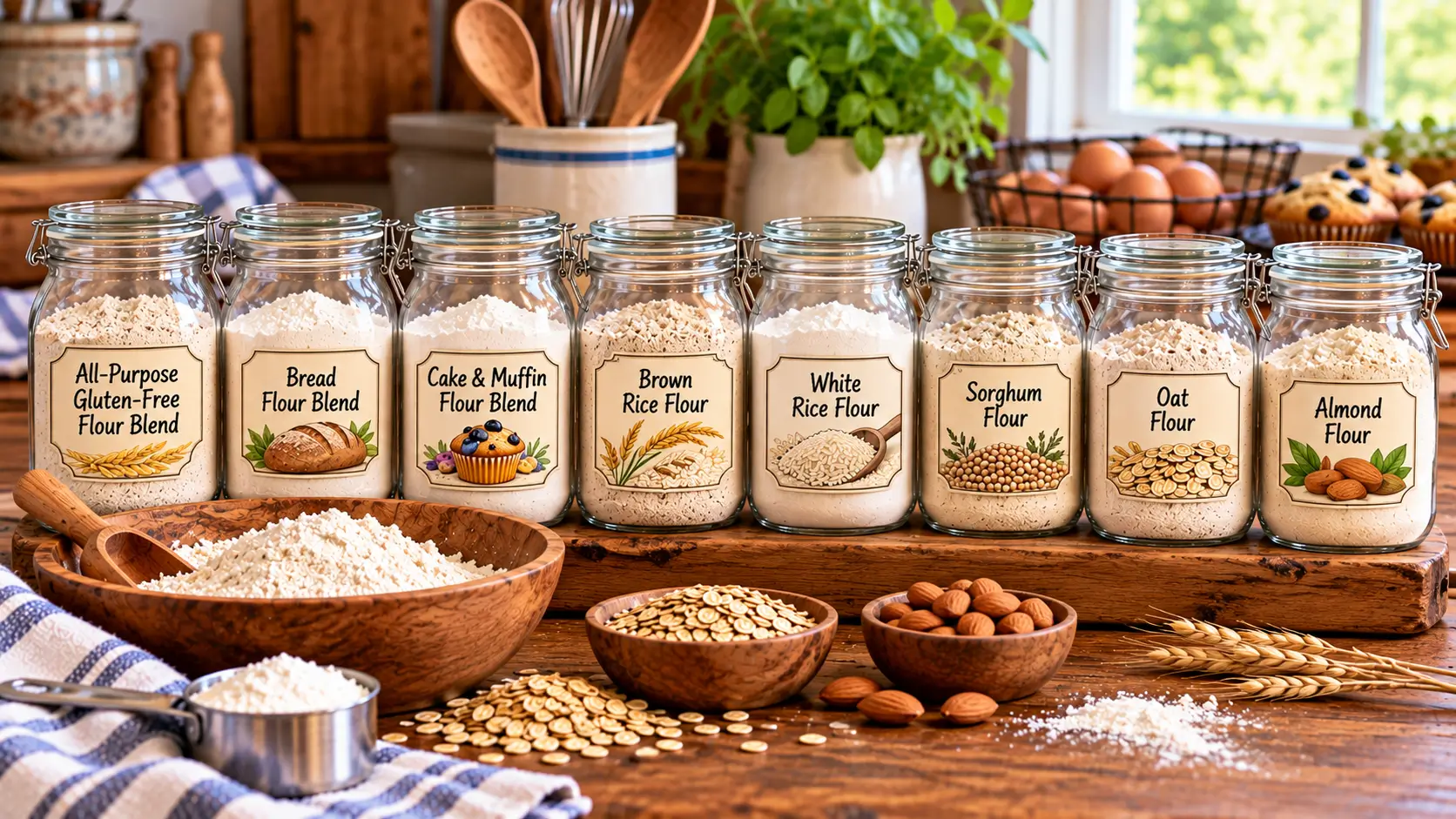
Some popular gluten-free flours and starches include:
- Almond flour
- Coconut flour
- Rice flour
- Sorghum flour
- Tapioca starch
- Potato starch
- Cornstarch
- Buckwheat flour
Many gluten-free recipes combine several flours and starches to get the right texture.
You may also see xanthan gum or psyllium husk in gluten-free recipes. These ingredients help provide structure, improve texture, and hold baked goods together.
One important tip: Don’t assume you can substitute regular flour with a single gluten-free flour at a one-to-one ratio. Different flours absorb moisture differently, and recipes often need adjustments.
5 Tips for Getting Started
If you’re new to gluten-free eating, don’t feel like you have to change everything overnight.
Here are five simple ways to make the transition easier:
- Start with naturally gluten-free foods. Build meals around fresh vegetables, fruits, meats, eggs, rice, and potatoes.
- Read every label. Ingredients and manufacturing practices can change, so check labels regularly.
- Clean up your kitchen. Prevent cross-contamination by cleaning surfaces and separating cooking equipment when necessary.
- Learn to use gluten-free flours. Experiment with different combinations to discover what works best for your favorite recipes.
- Plan ahead. Keep gluten-free snacks, pantry staples, and easy meal ingredients on hand so you’re never caught without something to eat.
Is Eating Gluten-Free Healthier?
Not necessarily. Gluten-free does not automatically mean healthy.
Many packaged gluten-free cookies, breads, crackers, and snack foods are highly processed and may contain added sugar, starches, and fats.
A balanced gluten-free diet can include plenty of fresh vegetables, fruits, quality proteins, healthy fats, and naturally gluten-free whole foods.
You don’t need to rely on specialty packaged foods to eat gluten-free.
Final Thoughts
Going gluten-free may seem overwhelming at first, but once you understand which ingredients to avoid and how to read food labels, it becomes much easier.
Start with simple meals, experiment with gluten-free baking, and stock your pantry with ingredients you can use in multiple recipes.
And remember, there are plenty of delicious ways to enjoy bread, pasta, baked goods, and desserts without wheat!
Ready to explore gluten-free cooking? Browse our gluten-free recipes for homemade breads, muffins, cookies, dinners, and more. You might discover that eating gluten-free is easier and tastier than you ever imagined!