Food Recalls to Know About: Meat, Produce, Dairy, and Children’s Products
Food recalls are an important reminder that food safety doesn’t end at the grocery store checkout. Contamination, undeclared allergens, and other safety concerns can affect products already sitting in our refrigerators, freezers, and pantries.
Recent federal safety alerts have highlighted recalls involving hot dogs, sausages, pork products, pastrami, corned beef, grilled chicken, prepared salads, ready-to-eat meals, hummus, and other specialty foods. Some alerts have involved potential Listeria monocytogenes contamination, while others concern undeclared allergens.
Even household products, including certain children’s toothpastes, have been the subject of recall notices. Knowing where to find reliable recall information can help protect your family.
Meat and Poultry Recalls
The U.S. Department of Agriculture’s Food Safety and Inspection Service (USDA-FSIS) oversees recalls and safety alerts involving many meat, poultry, and processed egg products.
Recent reported recall activity has included products from several companies, including:
- Kayem Foods: Certain hot dogs and sausages.
- Prime Line Distributors and Ferrarini USA: Italian pork guanciale products.
- City Foods: Certain pastrami and corned beef products.
- Suzanna’s Kitchen: Grilled chicken breast fillets.
Prepared foods have also been the subject of food safety alerts. Products mentioned in recent reporting include Mary’s Harvest chicken salad, Taher chicken Caesar wraps, and Crawford Sausage headcheese, along with certain ready-to-eat meals associated with brands such as Blue Apron, HelloFresh, and Trader Joe’s.
These reports do not necessarily mean that every product made or sold by these companies is affected. Recalls typically apply to specific products, production dates, lot numbers, or package sizes.
What should you do?
If you have a product that may be affected, check the official recall notice for its exact identifying information. Do not eat a recalled product while trying to determine whether it is safe.
Visit the USDA Food Safety and Inspection Service for meat and poultry recall announcements.
Listeria: A Food Safety Concern
Listeria monocytogenes is a bacterium that can cause an illness called listeriosis. It is particularly concerning in ready-to-eat foods because these products may be eaten without another cooking step to kill harmful bacteria.
Symptoms can include fever, muscle aches, nausea, and diarrhea. Severe illness may develop in some people, particularly older adults, pregnant women, newborns, and people with weakened immune systems.
One of the challenges with Listeria is that contaminated food may look, smell, and taste perfectly normal. You cannot reliably determine whether a product is safe by inspecting it.
If a food is recalled because of possible Listeria contamination, follow the instructions in the official notice. Do not taste the product to see whether it is safe. Clean and sanitize any surfaces or containers that may have come into contact with it.
If you believe you have eaten contaminated food and develop concerning symptoms, contact a healthcare professional.
Produce, Dairy, and Specialty Food Recalls
Recalls are not limited to meat and poultry. The U.S. Food and Drug Administration (FDA) monitors many other foods, including produce, dairy products, packaged foods, and specialty items.
Reported alerts have included:
- Oliva LLC: Certain baba ghanouj and hummus products recalled because of undeclared sesame.
- Krasnyi Oktyabr: Starfish Seafood Trio products.
- Other food products: Certain gelato, smoked salmon, and cheddar cheese items have also been mentioned in recall reporting.
Why Undeclared Allergens Matter
Food labels are essential for people with food allergies. Sesame, for example, is a major food allergen in the United States and must be declared when applicable under federal labeling requirements.
When an allergen is missing from a product’s ingredient statement or allergen declaration, someone with an allergy may unknowingly eat something that could cause a serious reaction.
If you have food allergies or prepare meals for someone who does, make a habit of checking recall announcements even when you regularly purchase the same brand.
You can find current information through the FDA Recalls, Market Withdrawals, and Safety Alerts page and FoodSafety.gov.
Children’s Toothpaste Recalls
Food is not the only category worth watching. Consumer product recalls can also affect items used by children every day.
Recent reporting has highlighted children’s toothpaste products associated with brands including Brush Buddies, Crayola, Hot Wheels, and My Little Pony. The concerns have involved safety or regulatory issues.
Parents and caregivers should check the specific products, lot numbers, and instructions listed in the applicable recall notice. A brand name alone does not establish that every product from that company has been recalled.
For current information about children’s products, consult the U.S. Consumer Product Safety Commission and the relevant official recall announcement.
How to Check Whether Food in Your Home Has Been Recalled
You don’t need to spend hours researching every item in your kitchen. A simple routine can help you stay informed.
1. Check the product name and brand.
Start with the exact name on the package. Similar products from the same manufacturer may not be included in a recall.
2. Look for lot numbers and dates.
Recall notices often identify products by lot code, establishment number, production date, expiration date, or best-by date. Compare these details carefully.
3. Check official sources.
Use USDA-FSIS for meat and poultry products, the FDA for many other foods, and the CPSC for consumer products. News reports can help alert you to a problem, but official notices provide the specific details needed to identify affected products.
4. Follow the recall instructions.
Depending on the notice, you may be told to throw the product away, return it to the store, or contact the company. Do not donate or give away a recalled food.
5. Clean areas where the product was stored or prepared.
If a recalled product may have contaminated your refrigerator, utensils, cutting boards, or countertops, follow the appropriate cleaning and sanitizing guidance.
Food Storage and Prepping: Why Recall Awareness Matters
If you maintain a stocked pantry, freezer, or emergency food supply, recall awareness deserves a place in your household routine.
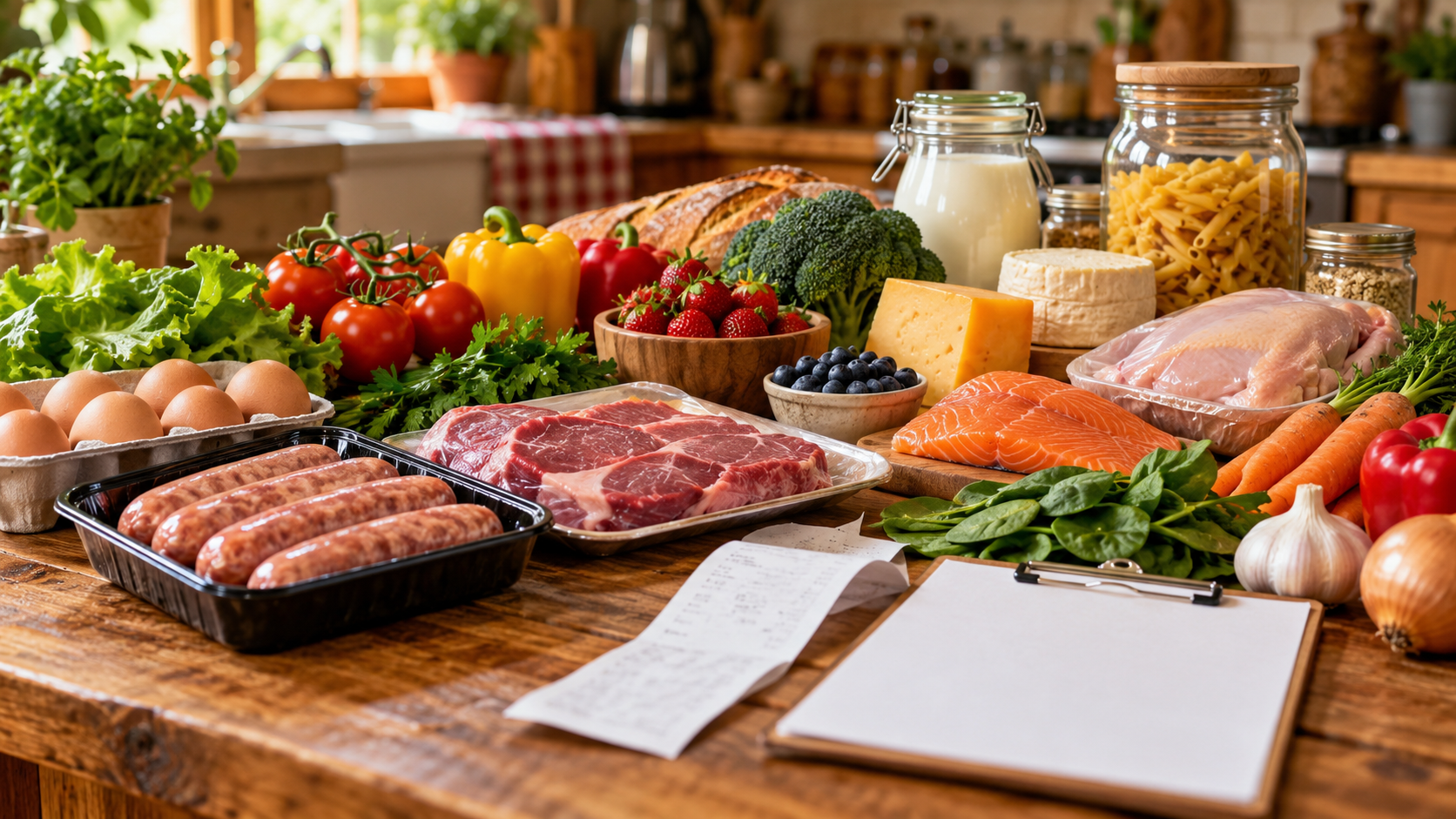
Buying food in bulk can be a practical way to manage grocery expenses and maintain a well-stocked kitchen. However, buying a large quantity of a recalled product can create unnecessary waste and potentially expose more people to a safety risk.
Consider these simple habits:
- Keep receipts when practical, especially for large purchases.
- Leave product labels and identifying information intact.
- Rotate pantry and freezer supplies so older products are used first, when safe.
- Check recall notices periodically.
- Avoid assuming that canned, frozen, organic, or specialty foods are automatically free from contamination.
- Pay attention to recalls involving foods purchased for long-term storage.
Home canning requires particular care, too. Commercial food recalls and home-canning safety are different issues, but both demonstrate why proper food handling, reliable information, and attention to safety instructions matter.
For home food preservation guidance, consult the National Center for Home Food Preservation.
Final Thoughts
Food recalls can be unsettling, especially when they involve products you regularly feed your family. The best response is to stay informed, verify the details, and take the recommended precautions rather than panic.
Recall notices can change as investigations progress, and the products listed in news coverage may represent only part of the current picture. Check the official government sources regularly for the most up-to-date information.
A few minutes spent checking a recall notice could help you make a safer decision about what goes on your family’s table.
Disclaimer: This article summarizes reported recall activity for informational purposes. It is not a complete list of current recalls. Always consult the official recall announcement for affected products, dates, lot numbers, and instructions.