Why the Carnivore Diet Isn’t Healthy Long Term
The carnivore diet has become extremely popular. The idea is simple: eat meat, eggs, fish, and other animal products while eliminating vegetables, fruits, grains, beans, and most other plant foods.
For some people, eating this way for a short period may seem to produce impressive results. They may lose weight, experience fewer cravings, or feel that certain digestive symptoms improve.
But feeling better initially doesn’t necessarily mean a diet is healthy for the long term.
Our bodies need a wide variety of nutrients, and there are some important reasons to think twice before making an all-meat diet a permanent lifestyle.
What Is the Carnivore Diet?
The carnivore diet is an extremely restrictive version of a low-carbohydrate diet. It generally consists almost entirely of animal foods such as:
- Beef
- Pork
- Chicken
- Fish
- Eggs
- Some dairy products
- Animal fats
Foods such as vegetables, fruits, beans, nuts, seeds, and grains are generally eliminated.
The biggest concern isn’t necessarily eating meat. Meat can absolutely be part of a healthy diet. The concern is eliminating virtually all plant foods for months or years at a time.
Fiber Is a Major Missing Piece
One of the biggest problems with a carnivore diet is the complete lack of dietary fiber.
Fiber is found primarily in plant foods, including vegetables, fruits, beans, lentils, nuts, seeds, and whole grains.
Fiber helps support normal bowel function and also provides food for beneficial bacteria living in our gut.
Some people on carnivore diets report that they don’t have digestive problems without fiber. However, absence of symptoms doesn’t necessarily mean the gut is getting everything it needs.
A healthy digestive system depends on a diverse ecosystem of microorganisms, and dietary fiber is an important part of supporting that ecosystem.
Your Gut Microbiome Needs Variety
Our gut contains trillions of microorganisms that interact with the food we eat.
Different types of plant foods provide different fibers and compounds that can support different beneficial bacteria.
Eating an extremely limited diet can reduce the variety of food available to these microorganisms.
We are still learning about the long-term effects of dramatically changing the gut microbiome, but there is good reason to value dietary diversity rather than eliminating entire categories of nutritious foods.
Fruits and Vegetables Provide More Than Vitamins
One argument sometimes made for the carnivore diet is that meat contains many important nutrients.
That’s true.
Meat provides protein, iron, zinc, vitamin B12 and other nutrients. But that doesn’t mean meat provides everything the body needs in the ideal amounts.
Plant foods provide nutrients and naturally occurring compounds that are difficult to replace with animal foods alone.
Vegetables and fruits provide things such as vitamin C, potassium, folate, carotenoids, polyphenols and various other beneficial plant compounds.
These foods don’t have to be the enemy simply because they contain carbohydrates.
What About Vitamin C?
Vitamin C is another consideration.
People following a strict carnivore diet often point out that meat contains small amounts of vitamin C and that lower carbohydrate intake may alter how much vitamin C the body requires.
There may be some truth to differences in vitamin C requirements under different dietary conditions, but that doesn’t make eliminating fruits and vegetables automatically safe.
For most people, getting vitamin C from foods such as peppers, broccoli, berries, citrus fruits and other produce is a simple way to meet nutritional needs.
Why eliminate those foods if you don’t have a medical reason to do so?
Heart Health Deserves Attention
Another concern is the amount and type of saturated fat that can come with a meat-heavy diet.
Some people experience dramatic improvements in cholesterol and triglyceride numbers when changing their diet, while others experience significant increases in LDL cholesterol.
That matters.
LDL cholesterol is an established risk factor for cardiovascular disease, and individual responses to a high-saturated-fat diet can vary considerably.
A diet shouldn’t be judged solely by weight loss or how someone feels. Blood pressure, cholesterol, blood sugar, nutrient status and long-term cardiovascular health matter too.
Processed Meat Is Especially Concerning
There’s an important difference between eating a piece of grilled salmon or an unprocessed steak and eating large quantities of processed meats.
Bacon, sausage, hot dogs, deli meats and other processed meats can be high in sodium and saturated fat, and regular consumption of processed meat has been associated with increased health risks.
If someone follows a carnivore diet consisting heavily of bacon, sausage and processed meats, that raises additional concerns.
Variety Matters
One of the biggest principles I believe in when it comes to eating is variety.
Instead of asking, “Which single food group should I eliminate?” I think it’s more useful to ask:
“How many different nutritious foods can I include?”
Different foods provide different nutrients.
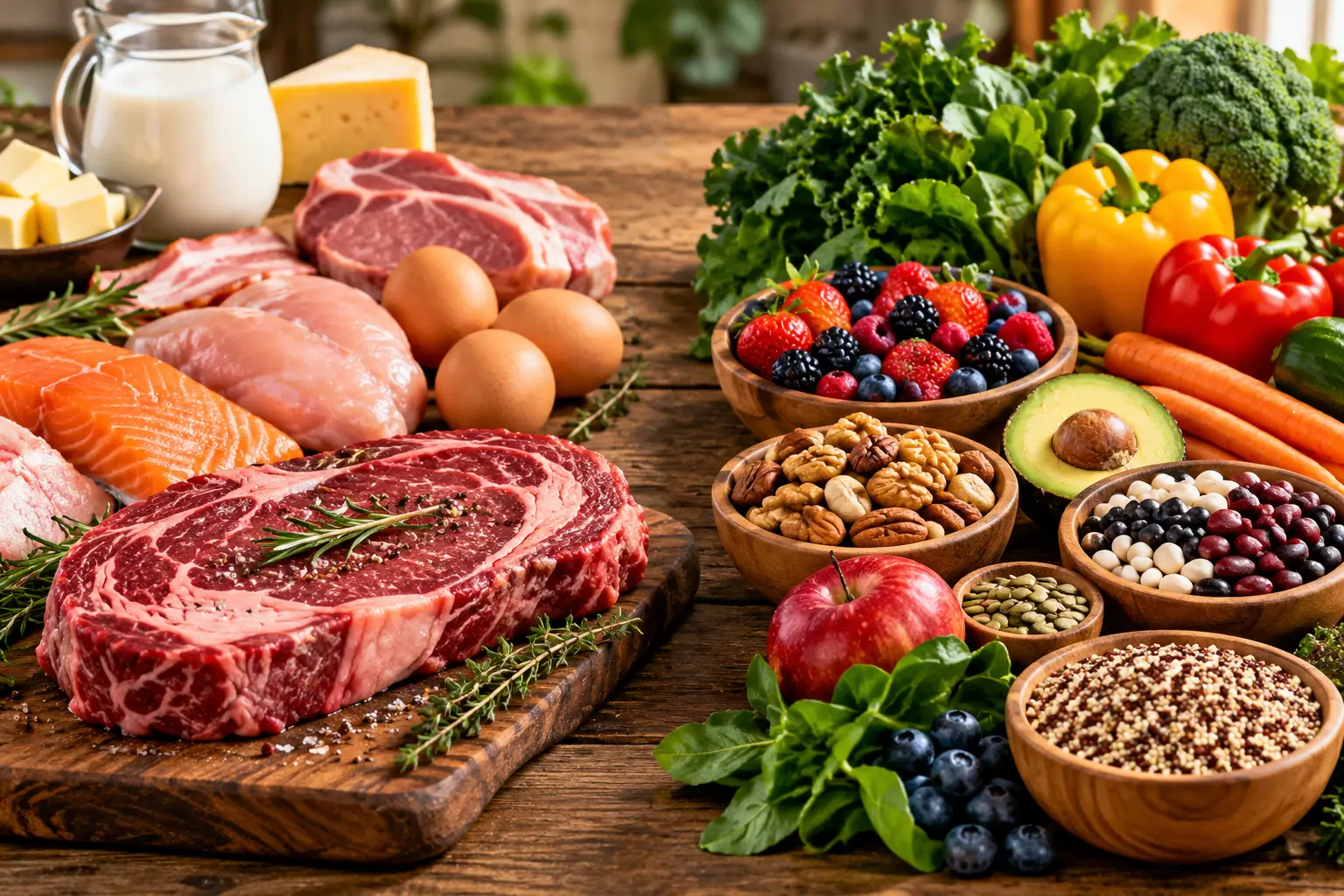
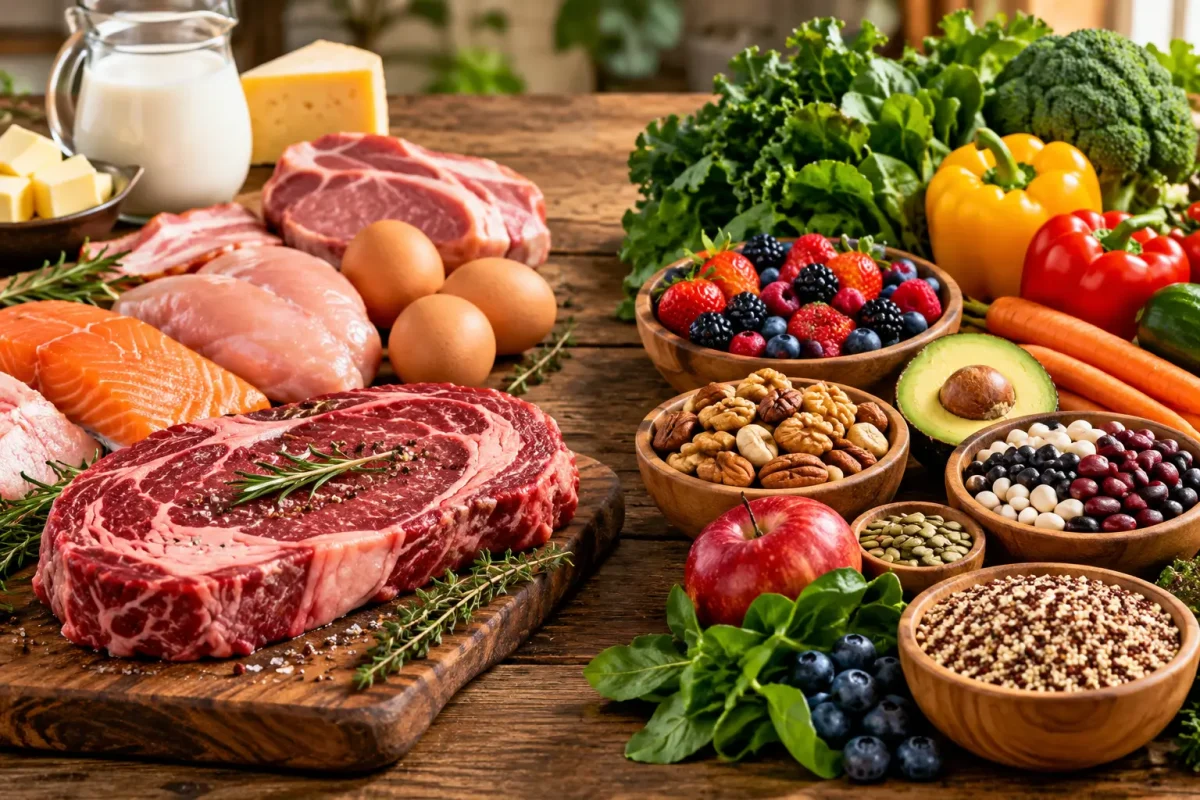
A meal containing quality protein, vegetables, healthy fats and perhaps some fruit or another minimally processed carbohydrate can provide a much broader range of nutrients than an all-meat meal.
But Isn’t the Carnivore Diet Natural?
Another common argument is that humans evolved eating mostly meat.
The problem is that there wasn’t one single ancestral human diet.
What people ate depended heavily on geography, climate, season, availability and culture.
Humans have eaten meat, fish, vegetables, fruits, roots, tubers, nuts, seeds, legumes and other foods throughout history.
Our ability to adapt to a wide variety of foods is one of our strengths.
Why Do Some People Feel Better on Carnivore?
This is an important question because many people genuinely report feeling better after switching to carnivore.
Their experiences shouldn’t simply be dismissed.
There are several possible explanations.
Someone who eliminates processed foods, refined carbohydrates, sugary snacks, alcohol and highly processed restaurant foods may feel dramatically better.
They may also eat more protein, which can increase fullness and reduce snacking.
Someone who previously had trouble with particular foods may also notice improvements when those foods disappear from their diet.
But that doesn’t necessarily prove that meat itself is the solution.
The improvement may come from removing highly processed foods or identifying specific foods that didn’t agree with them.
You Don’t Have to Choose Between Carnivore and Junk Food
There’s a huge middle ground.
You don’t have to eat an ultra-processed diet, and you don’t have to eliminate every plant food either.
A much more sustainable approach is to focus on real, minimally processed foods.
Think:
- Quality meats and poultry
- Eggs
- Fish and seafood
- Vegetables
- Fruits and berries
- Beans and lentils if tolerated
- Nuts and seeds
- Healthy fats
- Fermented foods
- Minimally processed gluten-free or whole-grain foods when appropriate
The exact combination can vary from person to person.
A Sustainable Diet Should Be Sustainable
This is perhaps the biggest issue I have with extremely restrictive diets.
If a diet requires you to permanently eliminate entire categories of nutritious foods, it’s worth asking whether that’s really necessary.
There may be medical situations where a highly restrictive diet is appropriate under professional supervision. But for the average person, long-term health is more likely to benefit from nutritional variety than extreme restriction.
Eating healthy shouldn’t mean being afraid of vegetables, fruit or other whole plant foods.
The Bottom Line
The carnivore diet may produce short-term changes in weight, appetite and blood sugar for some people. But short-term results aren’t the same thing as proven long-term health.
Eliminating plant foods means eliminating dietary fiber and many of the nutrients and beneficial compounds found in fruits, vegetables, legumes, nuts and seeds.
Meat can absolutely be part of a healthy diet. The question is whether it should be the entire diet.
For me, the better goal is not finding the most extreme diet possible. It’s finding a way of eating that provides plenty of nutrition, includes a wide variety of whole foods and is something you can realistically maintain for years.
Healthy eating doesn’t have to be all or nothing. Sometimes the healthiest approach is simply eating a little bit of everything good.
This article is for general educational purposes and isn’t intended to diagnose or treat medical conditions. People with specific medical conditions or dietary restrictions should discuss major dietary changes with a qualified healthcare professional.